

Cardinalflower’s Wet Return
As the unofficial global holiday month, work tends to stop in August. Millions of people travel to vacation spots, with lakes being a popular destination. We all know a good lake when we see it, usually it is clear, cold, and free of algae or other floating aquatic plants. These are oligotrophic lakes. They are fun to swim in, but given their low nutrients, loose substrate, and minimal CO2 levels, they are harsh for plants and other life to survive. This is contrasted with eutrophic lakes, which are full of nutrients and often run amok with algal blooms. The pinnacle of oligotrophic lakes is actually not found above ground, but rather 4,000 meters (13,100 ft) below the Antarctic ice sheets.
Lake Vostok shouldn't be a lake. The water temperature is a balmy −3°C or 27°F, so it should be solid ice, but it isn't. The pressure of the 4,000 meter-thick ice sheet above imparts enough force to keep the water molecules from freezing. It’s an old lake too; some estimates put its origin at roughly 15 million years ago, perpetually isolated from the terrestrial surface of Earth. As you may expect from something so isolated and seemingly inhospitable, the lake itself harbors no detectable life. But this assumption has not stopped astrobiologists from wondering if something might live in the freezing waters. Indeed, samples from ice cores just above the lake suggest life may exist (Karl et al., 1999) - this would be an exciting hint at the possibility of extraterrestrial life on icy planets. The lake itself is extremely low in nutrients and (as far as we know) devoid of life, as such it is the oligotrophic lake.
There is no botanizing to be done in Lake Vostok, but low nutrient oligotrophic lakes are scattered around the terrestrial world. Given the difficulty of survival in such an environment, plants that live in oligotrophic lakes often have converged on similar adaptations.
This past month I embarked on my yearly trek to northern Vermont, a part of the state they call the Northeast Kingdom or NEK. I stayed near the stunning glacier-carved oligotrophic Lake Willoughby, one of Vermont’s few fjord-like lakes. Submerged along Willoughby’s east edge lives a unique plant: Lobelia dortmanna (Campanulaceae), which has an unusual life history. The fascination of this plant runs deep and covers just about every aspect of plant evolutionary biology from anatomy and development to photosynthesis and convergence. I apologize in advance for the depth and meandering of this essay, but it reflects the true impressiveness of such a seemingly simple plant. I didn’t even have space to get to its reproduction.
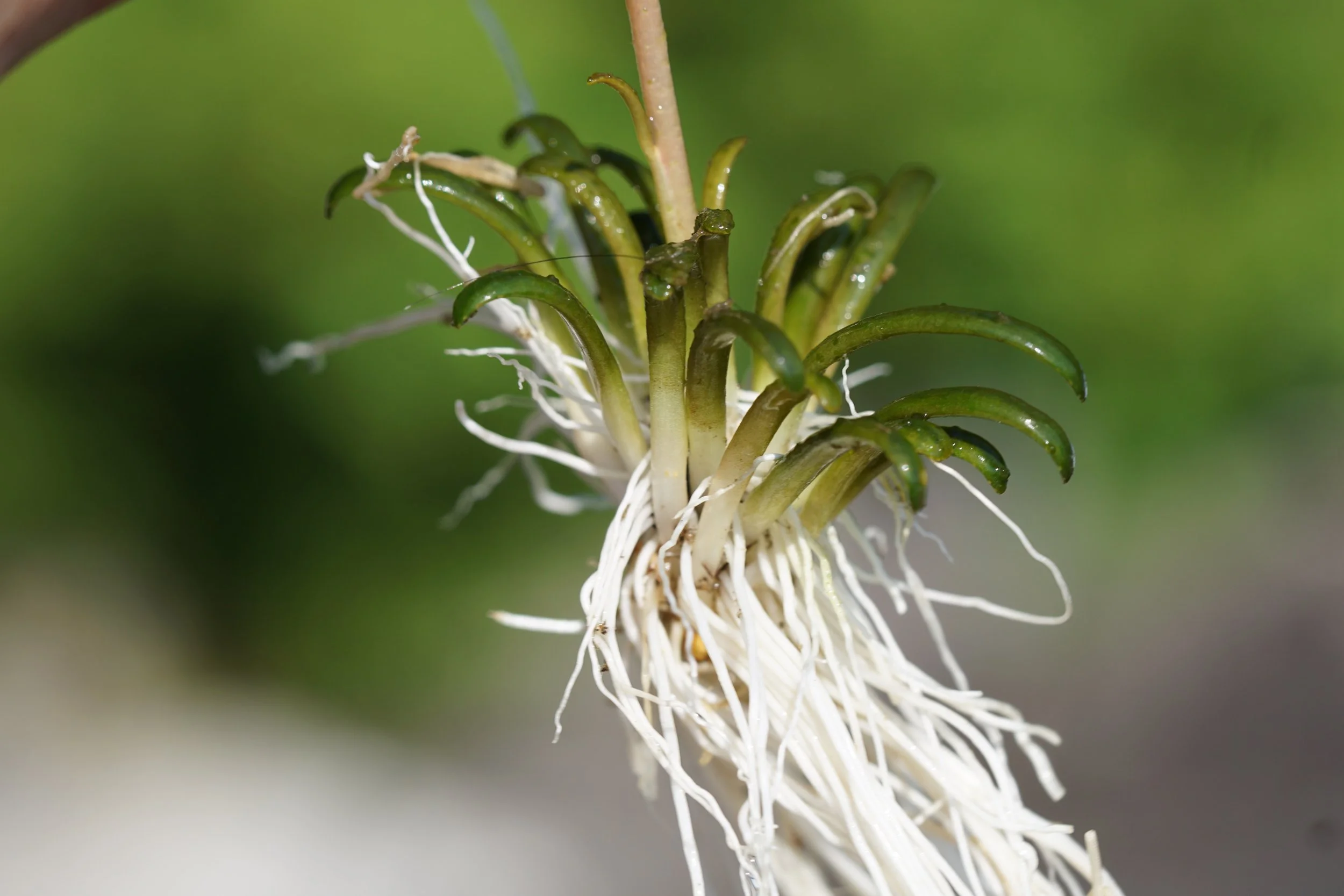
Lobelia dortmanna, uprooted from the lake.
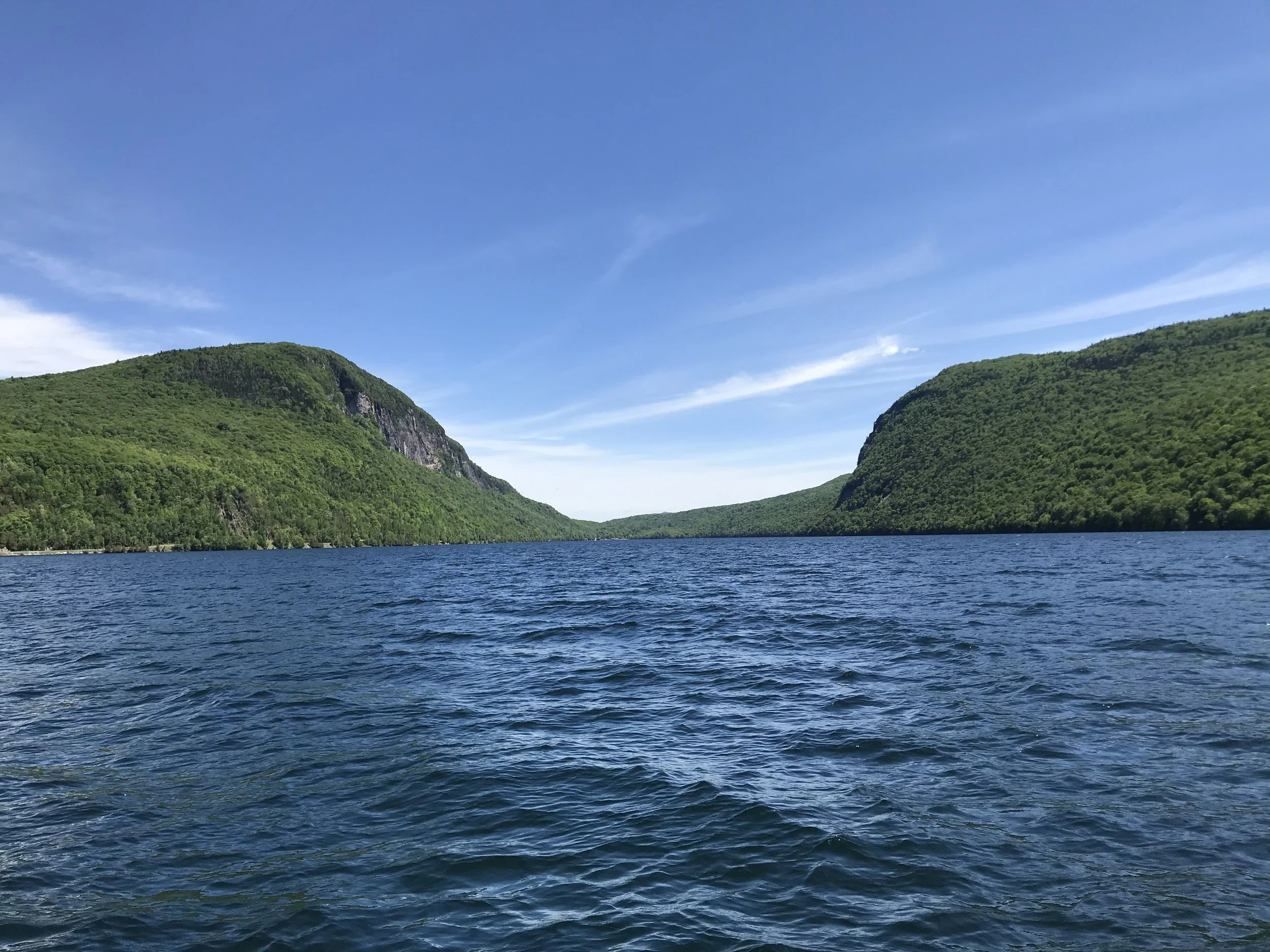
Beautiful Lake Willoughby.
To know you are looking at a plant is almost self-evident. The ideal of a plant is so constant that Carl Linnaeus - the 18th century naturalist - classified them into one of the three categories of life: animal, vegetable, mineral. While many organisms transcend this classification (e.g., the calcium carbonate shells of mollusks are technically bio-minerals), these general categories are still roughly accurate. Within the broad categories, the way we classify organisms used to follow a morphological system. Plants are green and do not move, while animals eat and move. There are numerous exceptions that you are probably thinking of. For instance, many parasitic plants, like the ghost plant (Monotropa uniflora) are not green or photosynthetic, while some animals, like certain sea sponges, don't move (at least in their mature state) - let’s not even get into fungi. While morphology is still an important aspect of classification, there is one key confounder when relying primarily on morphology to group organisms: convergence.
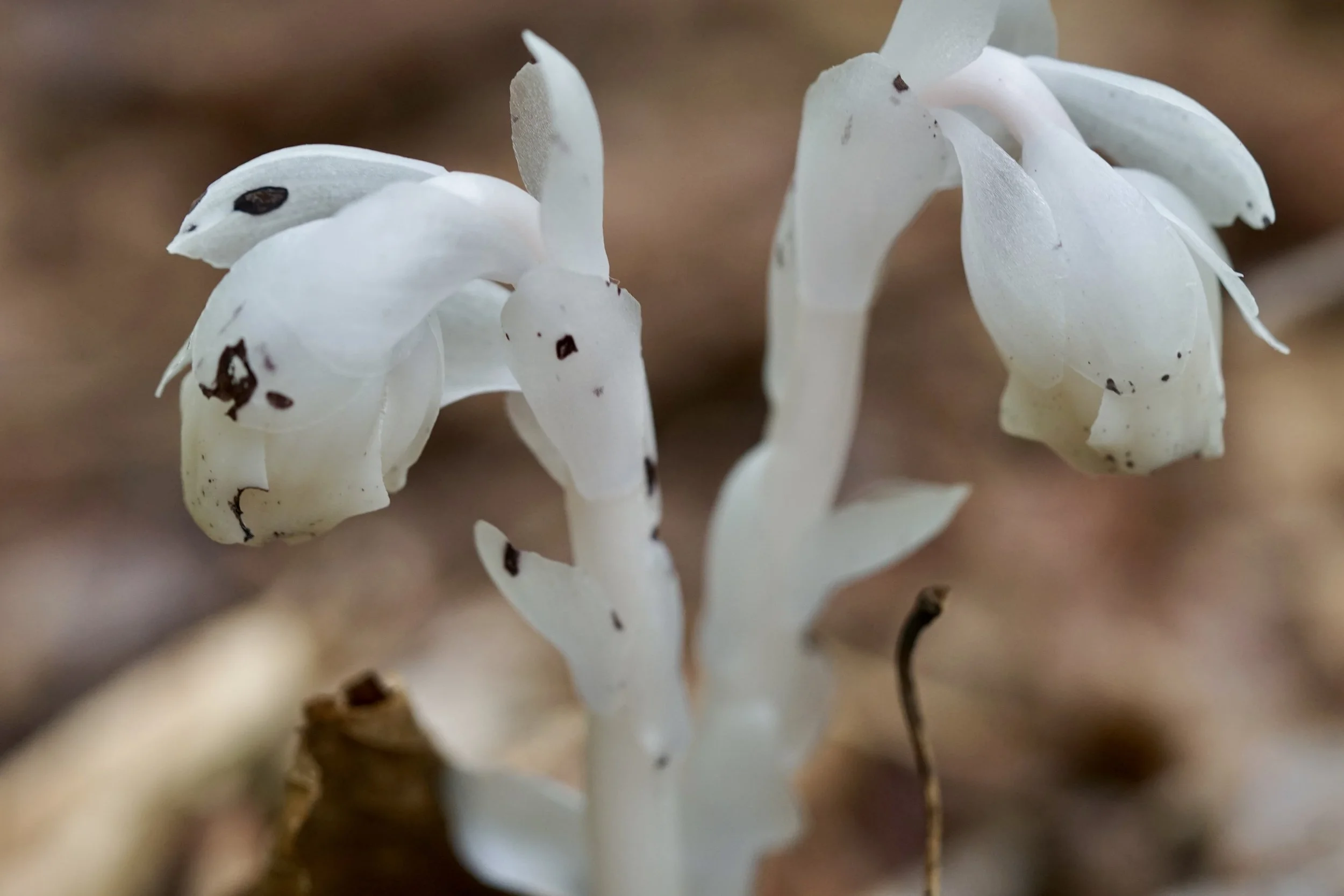
The ghost plant, Monotropa uniflora, defying our traditional definition of a plant as being photosynthetic. This plant is mycoheterotrophic, meaning it parasitizes a fungus.
Convergent evolution - the process of similar structures evolving in drastically different lineages - often fools us into thinking that distantly related organisms are actually closely related. For instance, the cactus-like morphology (thick stem and leaves modified into sharp spines) evolved in both the cactus lineage (Cactaceae), but also in the spurge family (Euphorbiacea). These two families are not closely related at all and thus, this morphology evolved independently; like wings in insects and bats. The growth form between Cactaceae and Euphorbiaceae is thus not homologous (evolutionarily derived from the same structure), but is rather homoplasious (derived independently).
With our modern ability to examine genomes, classification now relies on genes as the basis for determining the evolutionary relatedness of organisms. Using the differences in gene sequences between individuals, Cs from As, and Gs from Ts, we can conduct phylogenetic analyses that build pedigrees where each branch on the tree denotes a taxon (individual, species, genus, family, or higher level grouping). Deep nodes in the tree diagram (called a phylogeny or phylogenetic tree) denote ancestors. So, we can point to any node in the phylogeny, find an ancestor and all of its descendants to classify lineages as a unified group (a clade). Vertebrates, mammals, flowering plants, and roses are all examples of clades.
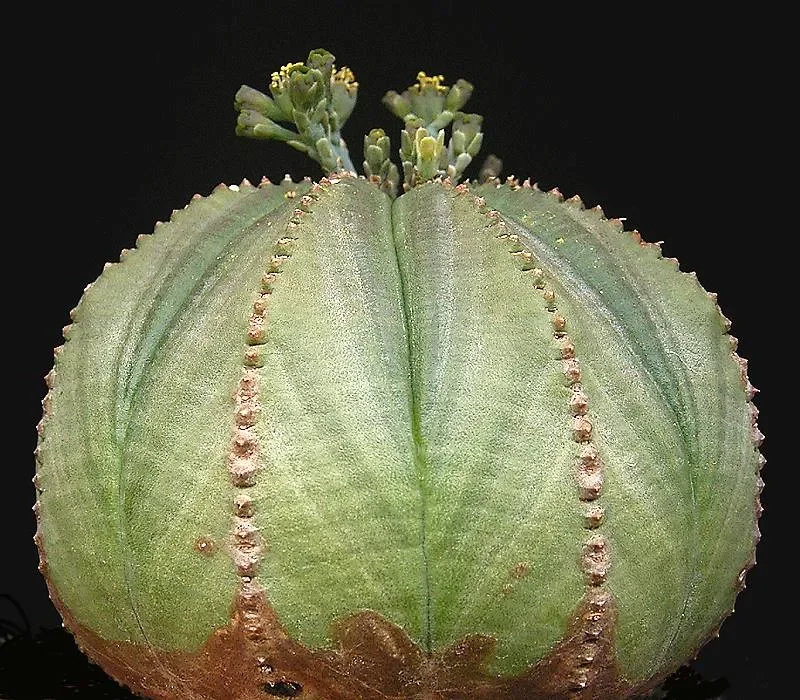
Succulent cactus-like morphology of Euphorbia obesa (Euphorbiaceae). Source: Frank Vincentz GFDL
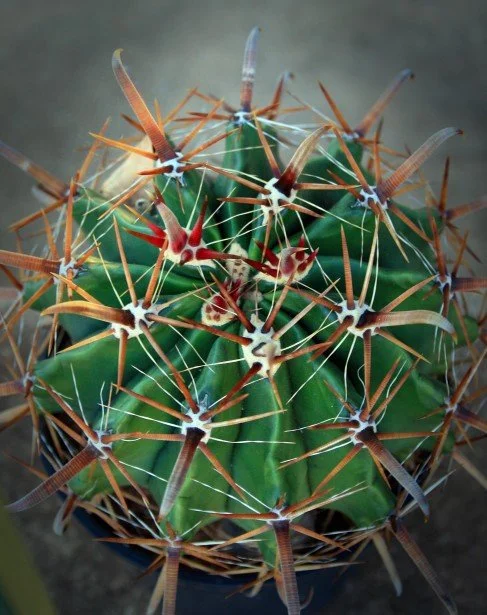
Ferocactus (Cactaceae) with similar succulent form to Euphorbia. Source: Lynn Greyling CC0 Public Domain
Historically, based on morphology alone, cactus-like species of Cactaceae and Euphorbiaceae may have been clustered together into one family. This would be like thinking two of your friends are siblings because they look alike, only to realize that they are from two different families. It wouldn't be correct to place these two people in the same family because they do not come from the same lineage - no matter how similar they look. Likewise, organisms are classified based on their shared relatedness, not shared form. A group of organisms that share a common ancestor is said to be monophyletic - all clades, then, are monophyletic. This is different from an assemblage of lineages that may be paraphyletic: a common ancestor and some, but not all of its descendants. This may be similar to excluding cousins from your family tree - you can choose to remove them, but they are still linked through descent.
Bringing this back to plants, we can reevaluate what a plant really is from an evolutionary perspective. It is not simply green and static, but plants form a monophyletic group. Where we draw our line on the phylogeny is essentially arbitrary, but most botanists would place the point at the common ancestor of a lineage called Viridiplantae: literally translating to green plants. This lineage has its origin roughly 1 billion years ago and it started in the water. The first plants were algae, growing as photosynthetic organisms in both marine and freshwater environments. They possess several technical characteristics that unite them with all other plants including a special type of chlorophyll (a and b), cellulose in their cell walls, and starch as a storage molecule. Sometime around 475 million years ago ancient algae were living along the coast of freshwater lakes and ponds. These ecosystems would fluctuate constantly, sometimes wet, other times dry. These lineages accumulated adaptations to deal with these heterogeneous environmental conditions - including the ability to tolerate dessication, deal with excess UV radiation, along with other adaptations to dry land. Eventually, they evolved into land plants, the lineage that includes mosses, ferns, pines, and roses.
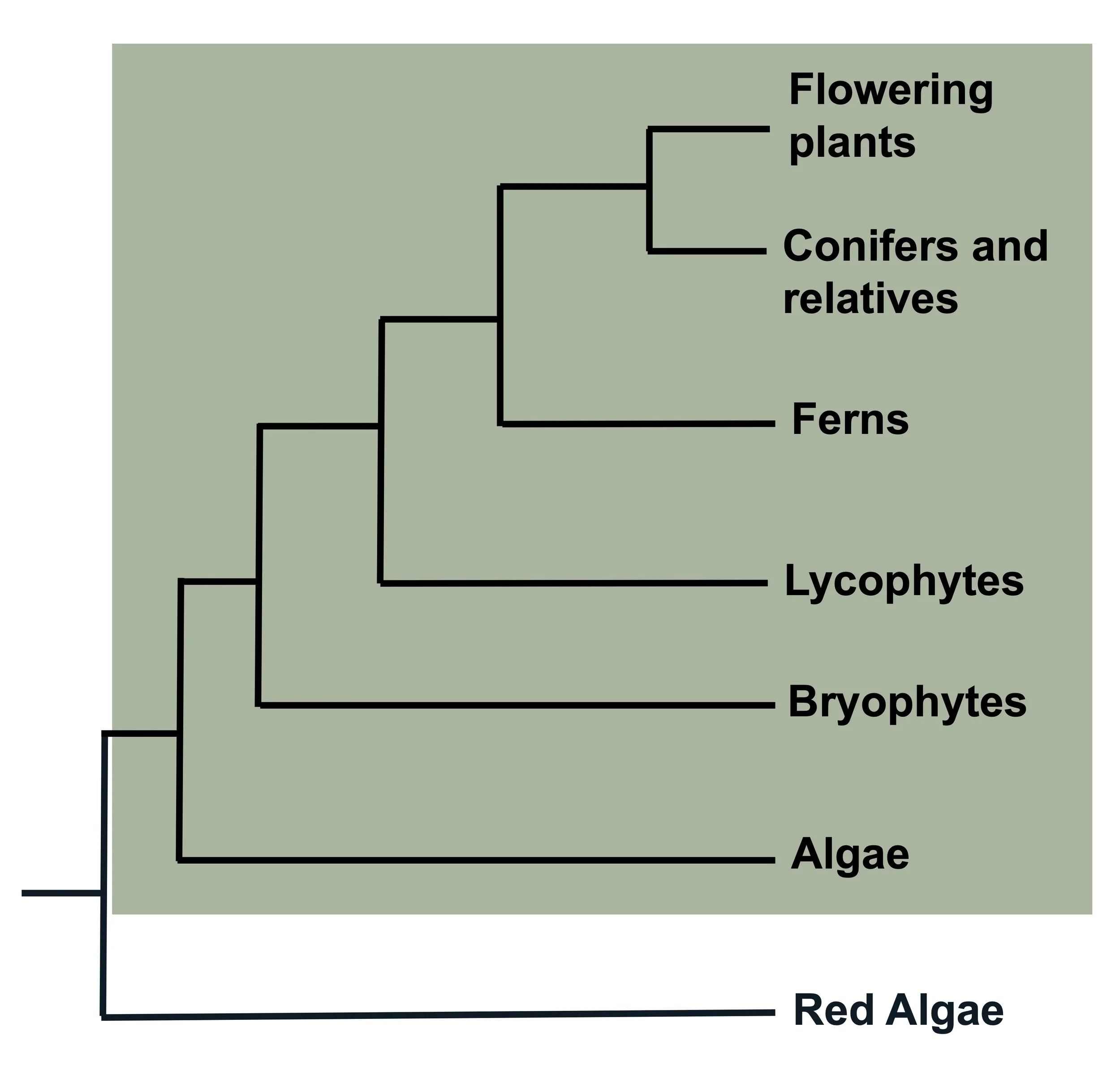
Phylogenetic tree of green plants (Viridiplantae) outlined in green.
While some plants left the water some 475 million years ago, certain lineages made a u-turn. In Lake Willoughby, Lobelia dortmanna grows as a submerged aquatic plant, rooted in the sandy oligotrophic substrate along the margins. A return to its watery past. There is an interesting dynamic with a reversion to the aquatic habit - it breaks our traditional view of evolution as progressive. In 1893, Belgian paleontologist Louis Dollo introduced the idea that once an organism “progresses” to a certain point, it never reverts to a previous state in the exact way in which it evolved - even if it encounters conditions identical to those it once experienced. Dollo’s Law, as it came to be known, implies that specialization is largely a one-way street, with organisms accumulating layers of complexity that make backward evolution impossible. While Dollo’s Law has been criticized as really just a statement about statistical improbability, this perspective still influences aspects of biology today. Sometimes evolution is viewed as orthogenetic or progressive - organisms evolve into more and more complex lineages culminating in some sort of pinnacle. So, under this view aquatic algae would be simple and primitive while land plants would be advanced and superior. Going back into the water, then, would seem like a regression, but that’s not right. Evolution is immediate and local, there is no global continuity of progress. Aquatic plants like L. dortmanna are not regressed, but have evolved and adapted down their local trajectory.
Lobelia dortmanna is not the only lineage to have taken this evolutionary path. Many submerged aquatic plants have converged on similar adaptations: the isoetid habit as it is known (named after the aquatic lycophyte Isoëtes). As elegantly put by Markov and Grushenkov (2024), “morphological notions used in the names of plant life forms can significantly contribute to clarifying their essence.” Isoetid plants, like Lobelia dortmanna, look like Isoëtes - they have a short compact stem (a corm), many roots, and a basal rosette of leaves. These traits are thought to help plants survive in their oligotrophic environment. The rampant convergence of this isoetid life form is truly fascinating. It has evolved many times across the plant tree of life, and in Lake Willoughby, we can find three different examples: Isoëtes species, a lycophyte without flowers or fruits, Lobelia dortmanna, a relative of cardinalflowers, and Eriocaulon aquaticum, a grass relative - each time with the same predictable structures.
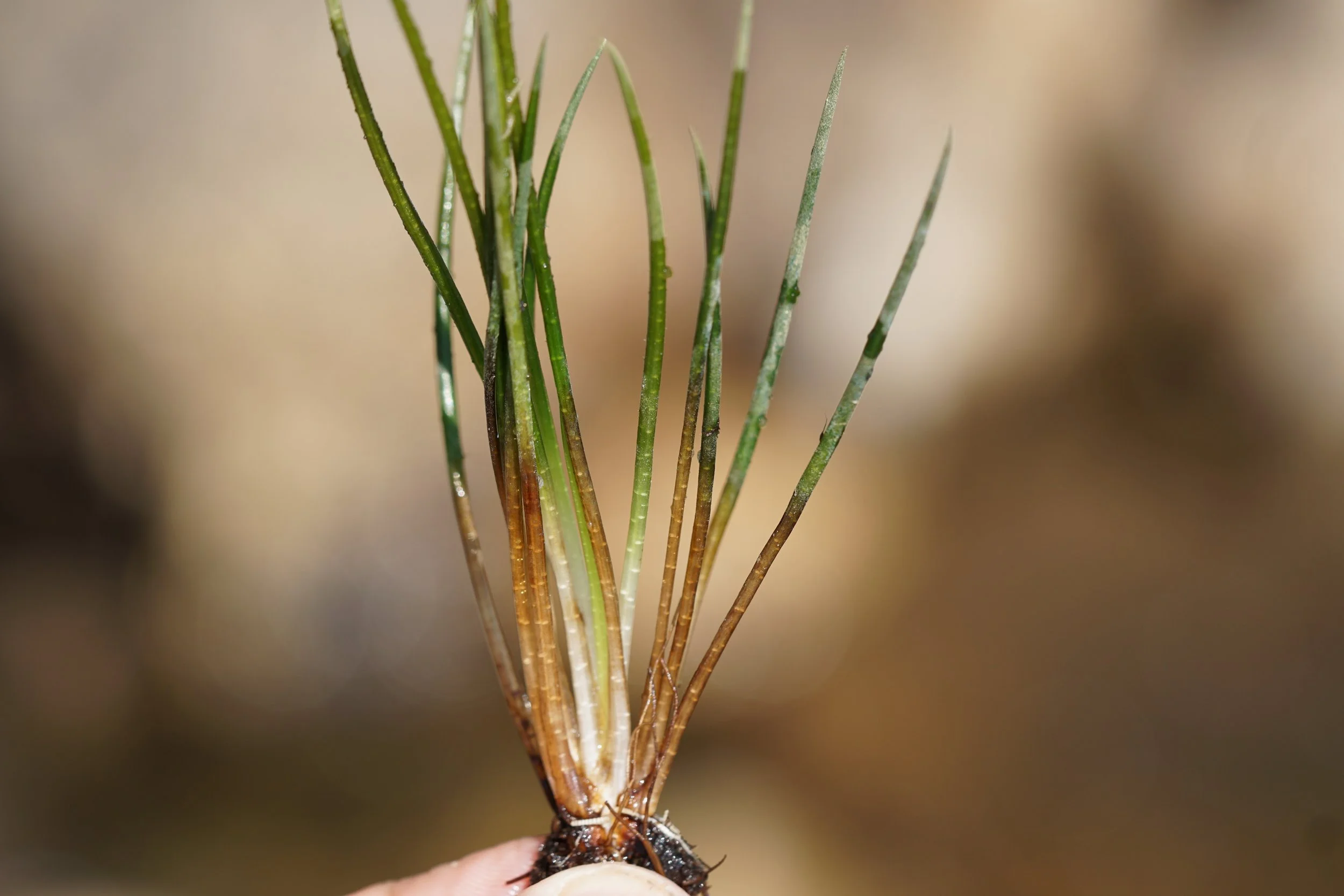
Isoetes lacustris bearing impressive resemblance to L. dortmanna.
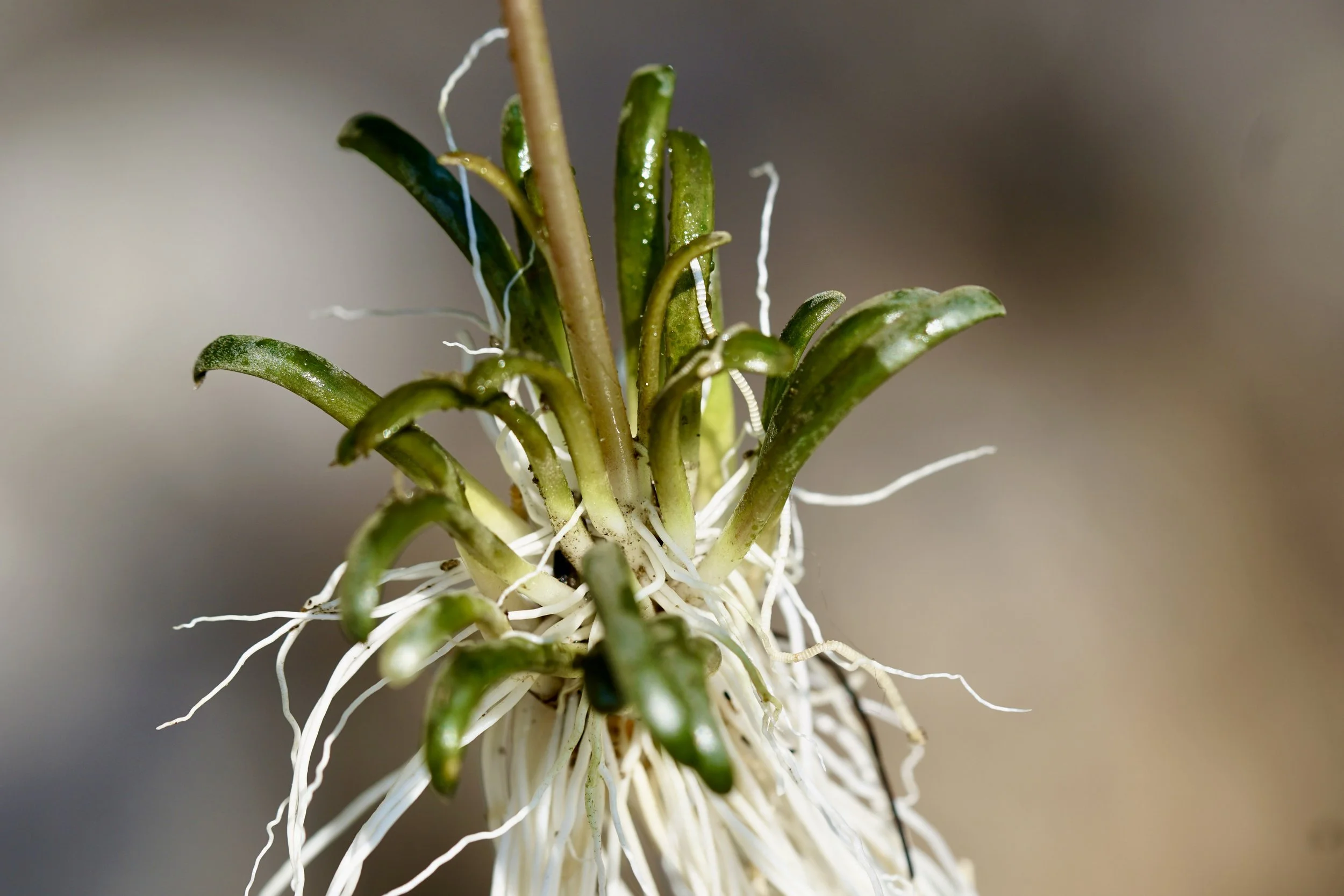
Lobelia dortmanna.
There is one particularly fascinating trait that has evolved in many isoetids: contractile roots. In these aquatic environments, currents exert a strong mechanical force on plants and can rip them out of the substrate. Contractile roots physically “pull” the plant downwards further into the soil. This is a beautiful adaptation because it continues to anchor the plant in the substrate, thwarting uplift from waves and loose sediment.
The way contractile roots work is a direct product of the fundamental problem of plant growth. Plants do not have muscles, they can’t simply “pull” themselves downwards. Plant cells are also rooted in place, unlike animal cells, they cannot migrate throughout the body. The static nature of a plant is mirrored in the static nature of its cells. While plant cells can’t change position, they can expand and grow. The growth of a plant cell is linked to the coordination between the inside and outside of the cell. Inside the cell is the vacuole filled with water - it is essentially a water balloon. To the outside of the cell is a malleable cell wall made of cellulose polymers. The vacuole expands and pushes against the cell wall, wherever there is more room to grow (where there is more cell wall) the vacuole will push the cell in that orientation. So, by building more cell wall to one side, a cell can expand and grow in that orientation.
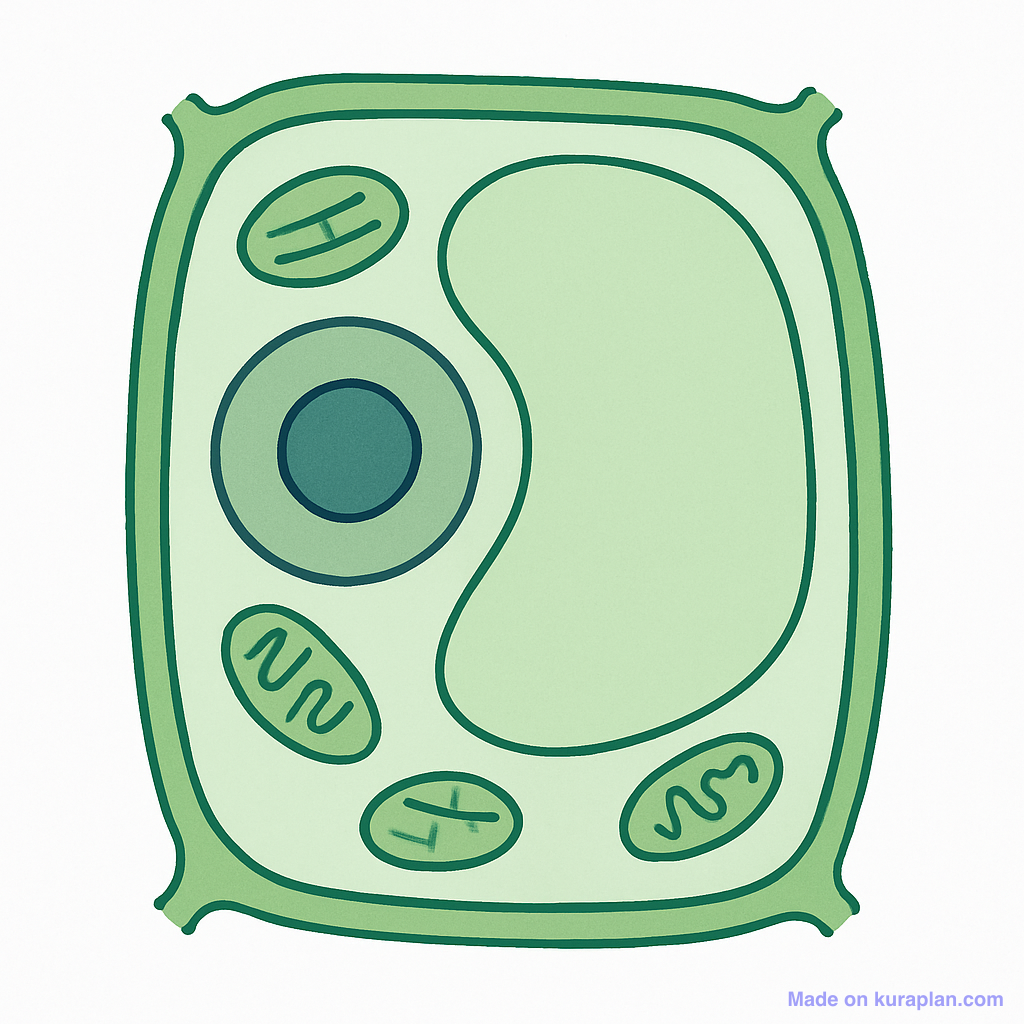
Diagram of plant cell wall showing internal vacuole (large green internal sphere) and outer cell wall (dark green rectangle). Source: Kuraplan CC BY-NC 4.0
Contractile roots pull plants deeper into the substrate by coordination between cell lengthening, widening, and collapse. First, the root grows normally from its tip, lengthening as it does. Then, once the cells have reached their mature length, they grow slightly wider by adding new cell wall to the periphery. This widening of cells (while maintaining the same length) leads to tension which “pulls” the whole root upwards toward the stem, causing the adjacent cells within the root to deform and collapse. This leads to an accordion-like pattern in the contractile roots. As the tension pulls the root up, if it is securely anchored in the substrate, it pulls the whole plant downwards deeper into the soil.
Isoetids also have anatomical traits that help them photosynthesize in aquatic environments. For instance, most of these plants have occluded or blocked stomata and have internal air spaces throughout their roots, stems, and leaves called aerenchyma. This creates some interesting dynamics. Oligotrophic lakes are extremely low in carbon dioxide and since these plants do not have functioning stomata, CO2 can’t enter the leaf as easily as it does in land plants. If these plants uptake gaseous CO2 directly it has to be via diffusion through leaf tissue, but unfortunately for aquatic plants gasses diffuse roughly 10,000 times slower in water than in air. This creates a horribly carbon limited environment. To combat this continuously low CO2 environment, some isoetids have evolved a unique mechanism of photosynthesis to take up CO2 continuously throughout the day and night. Counterintuitively, they have evolved a photosynthetic strategy used by plants growing in the driest deserts.
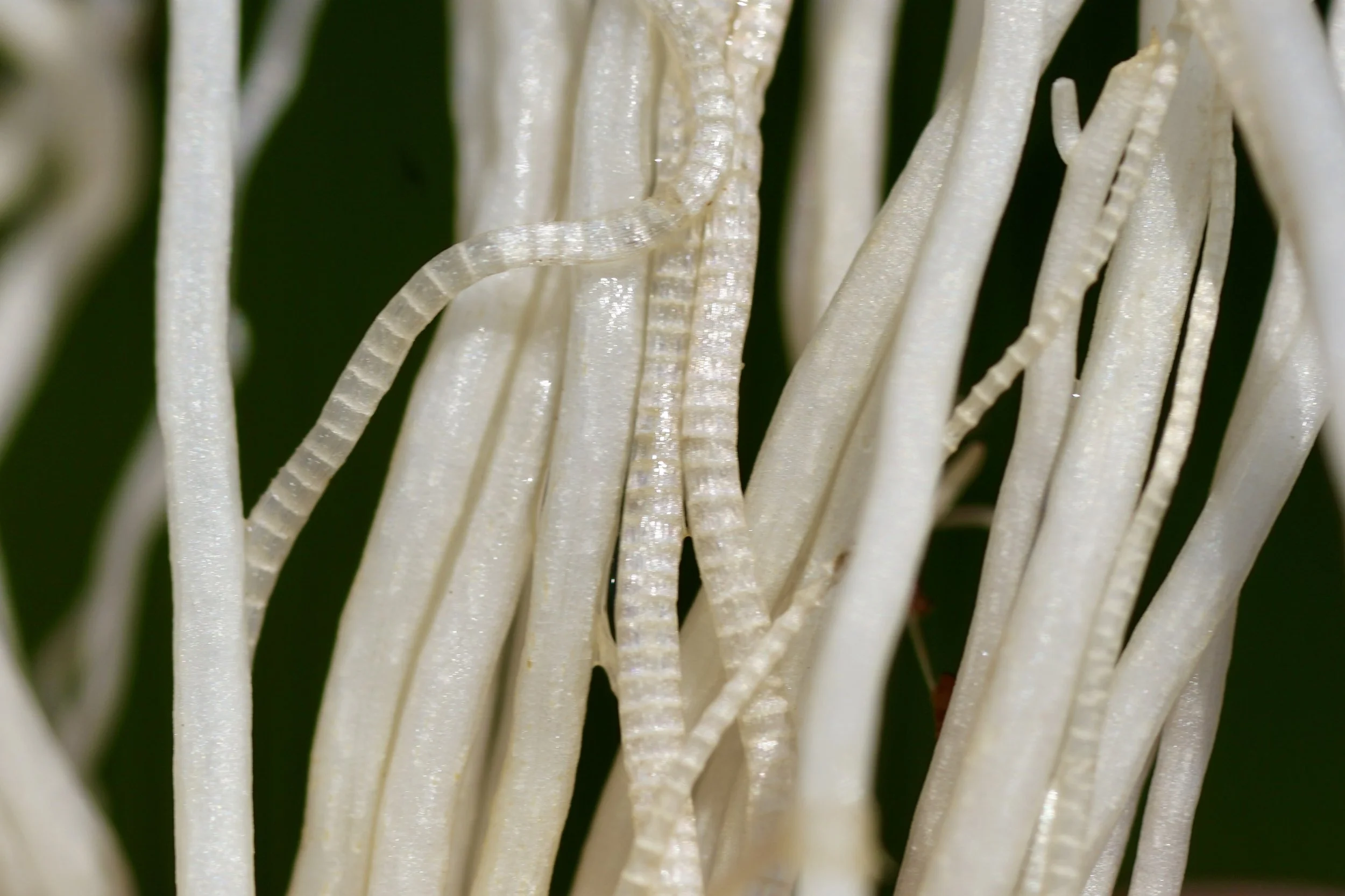
Contractile roots in L. dortmanna.
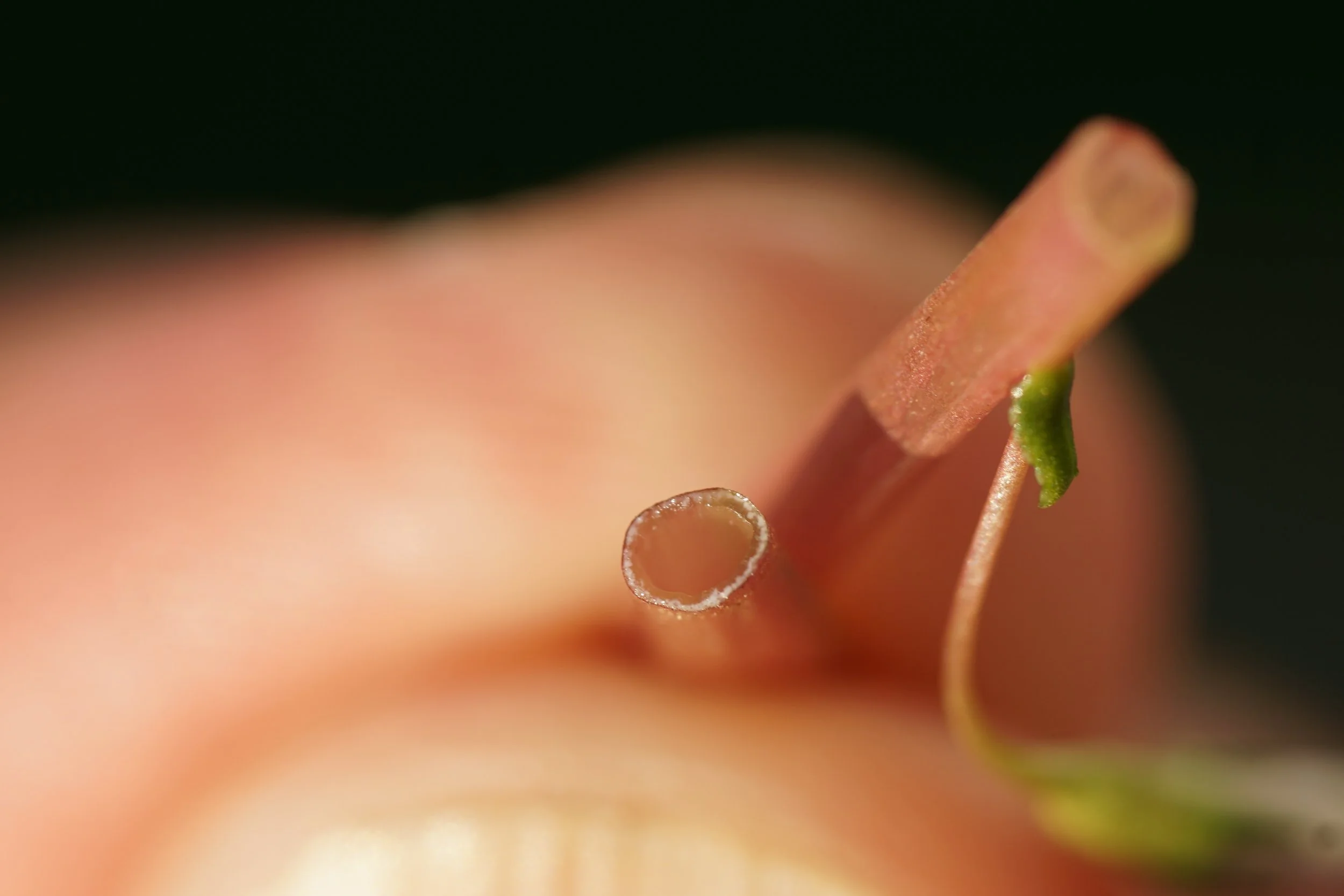
Air spaces (aerenchyma) in the inflorescence of L. dortmanna.
In “standard” terrestrial plants, carbon dioxide is taken up through stomata during the day and the energy from the sun is used to convert that CO2 into sugar. Since the sun's energy is not present at night, the plant can’t convert the CO2 into sugar and usually closes its stomata preventing it from taking up CO2 nocturnally. This type of standard photosynthesis is called C3 photosynthesis. But some plants can’t afford to open their stomata during the day because when stomata are open, water rushes out of the leaf. Many desert adapted plants, like cacti, have evolved a strategy called CAM photosynthesis, whereby they close their stomata during the hot, dry day in order to conserve water. They only open them at night to uptake CO2. The problem still stands: they cannot power the machinery of photosynthesis to convert that nighttime CO2 into sugar. So, they store it instead. CAM plants store nighttime-absorbed CO2 in a molecule called malate only to use it up during the day when sunlight is available. Since malate is acidic, over the course of the evening the leaves and stems of many CAM plants will actually become acidic; a simple test to see if a plant is CAM is to cut off a leaf and lick it early in the morning before the sun rises. If it tastes sour, it's probably CAM.
How does photosynthesis in deserts relate to photosynthesis in oligotrophic lakes? Clearly aquatic plants are not water limited. But they are carbon limited. When desert CAM plants close their stomata during the day this decreases water loss, but it also starves the plant of CO2. The nighttime accumulation and storage of CO2 is not exactly an adaptation to drought, but rather an adaptation to the carbon starvation that was imposed on the plant from its own adaptation to drought. This is a twisted fate of evolution and requires a moment to reflect. The plant has first evolved a strategy to inhibit water loss in desert environments. But in doing so, it created the new issue of starving itself of carbon dioxide. This carbon starvation dynamic is exactly what aquatic plants in oligotrophic lakes must deal with. Many isoetids, like - Isoëtes lacustris which grows just next to Lobelia dortmanna - have evolved desert-type CAM photosynthesis, not as an adaptation to drought, of course, but as an adaptation to extremely low CO2 levels. Unlike Isoëtes and other isoetids, Lobelia dortmanna has not evolved CAM photosynthesis and has to do all of its carbon fixation during the day. But it does have another trick.
The internal air spaces of Lobelia dortmanna play a crucial role in its photosynthesis. The plant has several air chambers in its roots, which are connected through the stem to air chambers in their leaves. L. dortmanna actually takes up CO2 through its roots. This is totally backwards! When we first learn about photosynthesis, we are taught that the leaves uptake CO2. But, in these aquatic environments, CO2 in the sediment can be at an order of magnitude greater concentration than in the surrounding water column. According to research from Richardson and colleagues in 1984, nearly 100% of fixed CO2 in Lobelia dortmanna is taken up through the roots, shuttled to the leaves, and then converted into sugar. A perfectly backwards physiology for such an odd little plant.
A recent theme of these essays has been convergence, and the isoetid habit is one of the most impressive examples of it. Convergence is a fascinating aspect of evolution as it tells us something about repeatability and responses to selection. When exposed to a particular selection pressure or a harsh environment, there are, in theory, infinite ways an organism can respond. It is not necessarily the case that when the environment imparts the same selection pressures organisms will always evolve the same general solutions to the problems. What determines how a particular form evolves in response to which selection pressure? And when does the same strategy or a completely different strategy evolve under identical environments? The answer to this question sits in the space between chance, development, and history.
The fact of convergence shows us that, on one hand, evolution can be repeatable. But it need not always be the case. In the isoetids low CO2 environments led to CAM photosynthesis in Isoëtes lacustris, while Lobelia dortmanna only evolved the ability to uptake CO2 from the sediment. CAM may have evolved in Isoëtes due to the chance event of ancient mutations leading to the right configuration of proteins and enzymes. The developmental pathways unique to Isoëtes helped set up the scaffolding that allowed these mutations to eventually be useful, leading to CAM. These historically contingent events, which likely occurred in the common ancestor of many Isoëtes, paved the way for all descendants to do CAM photosynthesis, (or at least have the ability to do it). A beautiful confluence of chance, development, and history.
The same processes apply for the morphological traits of the isoetid habit. Why did all of these distinct plants evolve roughly the same morphological structures of internal air spaces, strap shaped leaves, and basal rosettes on a short rootstock? I would conjecture that since all vascular plants produce leaves and stems in roughly the same way, that certain genetic mutations are likely to change the system in similar ways. This would be analogous to mass recalls of cars due to an issue with engine overheating. Let’s say Ford makes a faulty engine gasket that melts when the outside temperature is above 90˚F. There are dozens of cars with different makes and models sold all around the world. Each car is a distinct individual, but constructed from the same parts. The same external force is likely to lead to the same mechanical issue. Since the plants share a common genetic and developmental system, the same perturbations are more likely to arise. It is not just which mutations arise, but which ones arise first. Once there is an initial solution to the problem, it becomes a directional ratchet. Lineages going down an adaptive path cannot easily pivot, without major changes to the primary selection pressure.
Evolutionary biologists have been fascinated by the repeatability and contingency of evolution. Stephen Jay Gould popularized this debate in the book Wonderful Life, when he posed the question: what would happen if we replayed the tape of life, would everything occur as it did? Evolutionary biologist Jonathan Losos and colleagues are pushing these ideas forward today. There have been two primary routes to answering this question. The first is a series of lab-based replay experiments using E. coli. Researchers have taken clonal strains and placed them into many independent vials, subjecting them independently to the same environments and asking if they evolve similarly. Likewise, comparative biologists study natural populations of divergent lineages in the same environment to ask how trait convergence and strategies evolve. What is the answer? As is true about most debates, it's a bit of both. Sometimes lineages evolve down similar trajectories and evolution is repeatable. Other times, it is divergent. The trends suggest that repeatability is more common in lineages that are more closely related - likely from similar developmental mechanisms. As lineages diverge from each other they are less likely to converge on the same solution. When we see strong convergence it is a reminder that certain ecosystems - whether they are deserts or oligotrophic lakes - exert such strong criteria for optimal function, where no other form is quite as good. For a moving animal in the water, the fish’s form is optimal, and this exacting environment has forced its convergent evolution in aquatic mammals and reptiles. Oligotrophic lakes are another such exacting ecosystem that has shaped the isoetid habit.
Further readings and references:
Blount, Zachary D., Richard E. Lenski, and Jonathan B. Losos. "Contingency and determinism in evolution: Replaying life’s tape." Science 362.6415 (2018): eaam5979
Farmer, Andrew M., and D. H. N. Spence. "Flowering, germination and zonation of the submerged aquatic plant Lobelia dortmanna L." The Journal of Ecology (1987): 1065-1076.
Farmer, A. M. "Lobelia Dortmanna L." Journal of Ecology 77.4 (1989): 1161-1173.
Farmer, Andrew M., and David HN Spence. "The growth strategies and distribution of isoetids in Scottish freshwater lochs." Aquatic Botany 26 (1986): 247-258.
Godden, Grant T., et al. "Population-level phylogenomic analysis yields insights into species cohesion and population substructure of Lobelia section Lobelia (Campanulaceae)." Molecular Phylogenetics and Evolution (2025): 108410.
Gould, Stephen Jay. "Dollo on Dollo's law: irreversibility and the status of evolutionary laws." Journal of the History of Biology 3.2 (1970): 189-212.
Karl, DMea, et al. "Microorganisms in the accreted ice of Lake Vostok, Antarctica." Science 286.5447 (1999): 2144-2147.
Markov, M. V., and D. O. Grushenkov. "On the Striking Biomorphological Convergence within the Ecobiomorph Group “Isoetids”." Inland Water Biology 18.3 (2025): 546-553.
Ruzin, Steven E. "Root contraction in Freesia (Iridaceae)." American Journal of Botany 66.5 (1979): 522-531.
Richardson, K., et al. "Inorganic carbon assimilation in the Isoetids, Isoetes lacustris L. and Lobelia dortmanna L." Oecologia 61.1 (1984): 115-121.
Edited by Ben Goulet-Scott