

Rhiannon’s aster and speciation in the serpentine barrens
It may come as no surprise that I take a lot of my inspiration from writers like Stephen Jay Gould, Daniel Dennett, Richard Dawkins, Neil Shubin, and the like. Gould is perhaps the most influential - maybe he would argue that is statistically most probable given his prolific writing. Gould wrote 300 consecutive natural history essays from January 1974 until January 2001. He never missed one. Those with an astute eye for Gouldian writing may see his influence in my prose; while I am not ashamed of the influence of my role models, I do try my best to be my original self in all that I write. Plus, I’m not the biggest baseball fan. I was recently rereading the introduction to Gould’s 7th book, Dinosaur in a Haystack, where he explained the origin of the modern essay. Michel de Montaigne, a writer during the French Renaissance, is regarded as the originator of the essay. Montaigne was originally bashed for his rambles, tangents, and quotidian minutia. However, these features later became the sign of a good essay. Importantly, one thing I admire about Gould’s writing, which I try to implement in these essays, is linking a simple observation (in my case of the botanical world) with a larger evolutionary concept. While I may bob and weave, I inevitably return to a broader evolutionary concept or viewpoint. As Gould indicated, we ought to celebrate “what our founder Montaigne defined as crucial to the genre… ordinary things (with deeper messages).”
Gould was also a prolific scientist, and his popular essays bled into his scientific writing. While he was somewhat verbose, ‘Gouldian’ perhaps, his peer-reviewed work could be just as well crafted as his essays. This is in stark contrast to most modern peer-reviewed scientific papers, which are not known to have good prose. I do not mean for this to be vain - I am guilty of jargon-heavy prose at times, though sparingly, I hope. In fact, when I was first starting out, my writing used to be quite horrible! As I was applying to graduate school, my undergraduate research advisor David Barrington sat me down and told me plain and clear: “your writing sucks.” I knew Dave cared, this was his old-school way of encouraging me. And it actually happened to work. I took his encouragement (critique?) to heart and 10 years later I find my writing a bit better, but always improving, if I can help it. As is true of most things, practice is key. Reading is the other half of this equation - like a football player watching film. When I first cut my teeth on scientific literature I couldn't distinguish between my lack of knowledge and bad writing. Was I not understanding the work because I wasn’t smart enough, or were the authors simply not explaining it well? That distinction is quite clear for me now, and will be soon for any young readers - just keep at it. I write this in the awkward moment we find ourselves in regarding generative AI, but perhaps that is a topic for a different article. Since good writing is rare in the format of academic science, I am always tickled when I do come across eloquence in this format.
This past month I went botanizing in western North Carolina. My botanizing compatriots were Wes Knapp, the director of the Center for Plant Conservation, and Gary Kaufman, a botanist with the U.S. Forest Service. Both are phenomenal botanists, naturalists, and company. Our destination was Buck Creek, a small patch of serpentine barren in the southern part of the Nantahala National Forest. I could explain what a serpentine barren is, but I will let Brian Arnold and his colleagues do so, in the nice opening lines of their 2016 scientific paper: “Serpentine barrens represent extreme hazards for plant colonists. These sites are characterized by high porosity leading to drought, lack of essential mineral nutrients, and phytotoxic levels of metals.” But, as is true with just about every corner of the world, “Nevertheless, nature forged populations adapted to these challenges.” Good prose, I’d say.
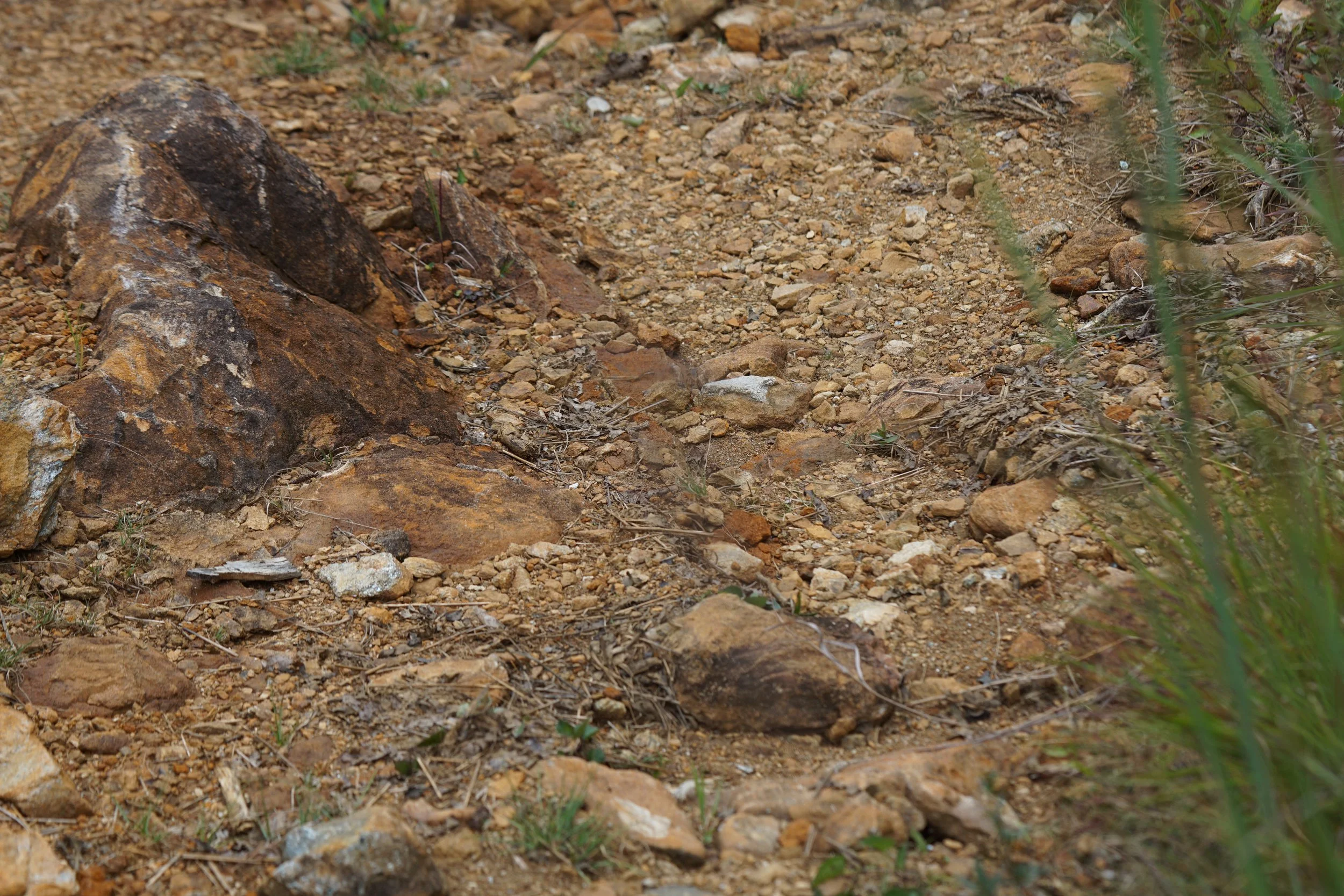
Serpentine soils (mostly rock) at Buck Creek
A barren is named for its lack of trees. To the loggers it has nothing, no timber to harvest. But to the botanist it is a premium stand. Serpentine barrens often harbor a disproportionate number of endemic species, those found nowhere else in the world. For instance, about 12.5% of all endemic species in California can be found on serpentine soils, according to Rajakaruna and colleagues. This is because of the serpentine chemistry, as Arnold indicated. Plants are static organisms, they are stuck where their seeds germinated. This obvious fact of life has serious consequences for their survival because a plant’s ability to eke out a living is inexorably linked to the composition of the soil they are rooted in.
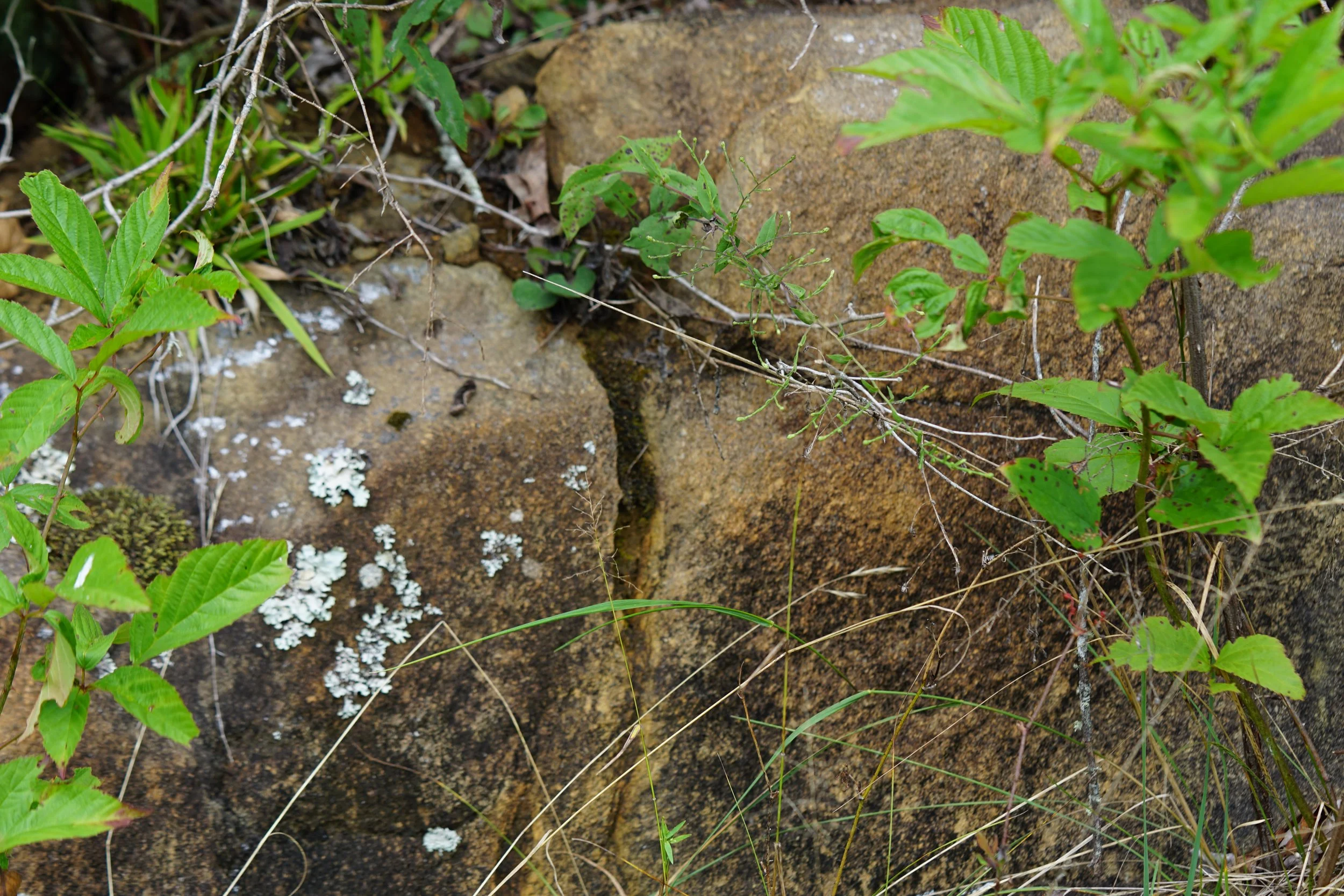
Plants eking out a living on weathered serpentine rock.
Walk into any garden center and you will see bags of fertilizer lining the shelves with numbers associated with the three letters: NPK: nitrogen, phosphorus, potassium, these are the essential nutrients for plants. Not enough, or not in the right relative quantities and plants will suffer. Nitrogen is perhaps the most important macronutrient for plants because of a single molecule: Rubisco, the single most important enzyme involved in photosynthesis. Rubisco is chemically a hexadecamer - meaning it is a protein complex made from 16 smaller subunits. The molecule takes CO2 and chemically binds it to another molecule, eventually leading to the production of sugar. One functional complex of Rubisco contains roughly 5,000 nitrogen atoms. There are millions of Rubisco enzymes per chloroplast, dozens to hundreds of chloroplasts per cell, and who knows the number of plant cells per individual - I don’t trust any attempt at this estimation. Plants need a ridiculous amount of nitrogen - more than any other nutrient. As is true with humans and other organisms, plants also need elements like molybdenum, iron, magnesium, and others, but in small amounts. Too much of these metals usually causes cellular poisoning, tissue damage, and death.
In addition to chemistry, soils also vary based on their depth, the relative size of the soil particles, and the amount of organic matter they contain. Any student in an introductory soil science class will inevitably be bogged down by the taxonomy of soils and the iconic soil triangle, with sand, silt, and clay at each corner - I remember my professor of soil science, the German Dr. Josef Görres, forcing us to learn this. Unlike most other soils, serpentine is almost cosmic in origin. While soils are usually heavily influenced by organic decomposition from living organisms, serpentine soils are hardly defined by their organic nature. They are essentially just weathered rock produced in the Earth’s mantle - creating an almost alien environment for plants. Serpentine soils are characteristically high in magnesium and often nickel and chromium- a mix that is toxic for plants in high abundance. These soils are also low in essential nutrients like NPK, calcium, and molybdenum. As such serpentine soils impart a strong selection pressure on plants that germinate there.
Buck Creek serpentine barrens is home to several endemic plants, including Packera serpenticola (Asteraceae) and Symphyotrichum rhiannon (also Asteraceae). Wes and Gary also indicated that there is an undescribed endemic Asarum (wild ginger relative, Aristolochiaceae). I want to highlight S. rhiannon, because its ordinary appearance belied an interesting etymological story. This species looks like nearly all other Symphyotrichum. Its distinguishing features are seemingly trivial: dimorphic stems with a basal rosette and erect flowering stalks, and sessile leaves that have generally rough edges. I find the original description of the etymology of S. rhiannon intriguing, Kauffman and colleagues indicate “Symphyotrichum rhiannon is named in honor of Rhiannon Weakley, whose desire to rest during a field excursion led the authors to further investigate and finally resolve this decades-old taxonomic conundrum, and also in honor of the original Rhiannon, a Welsh goddess figure associated with the underworld, and therefore particularly appropriate for a plant endemic to a serpentine substrate.” While in the field Gary and Wes explained the origin of the name a little further. Alan Weakley, one of the most important American botanists, especially for the flora of the southeast, named the plant after his kid. Apparently as a baby, Rhiannon was having colic during their expedition to Buck Creek. As they rested, they took a closer look at the plant and realized it may be something different and unique. A new species, endemic to Buck Creek.
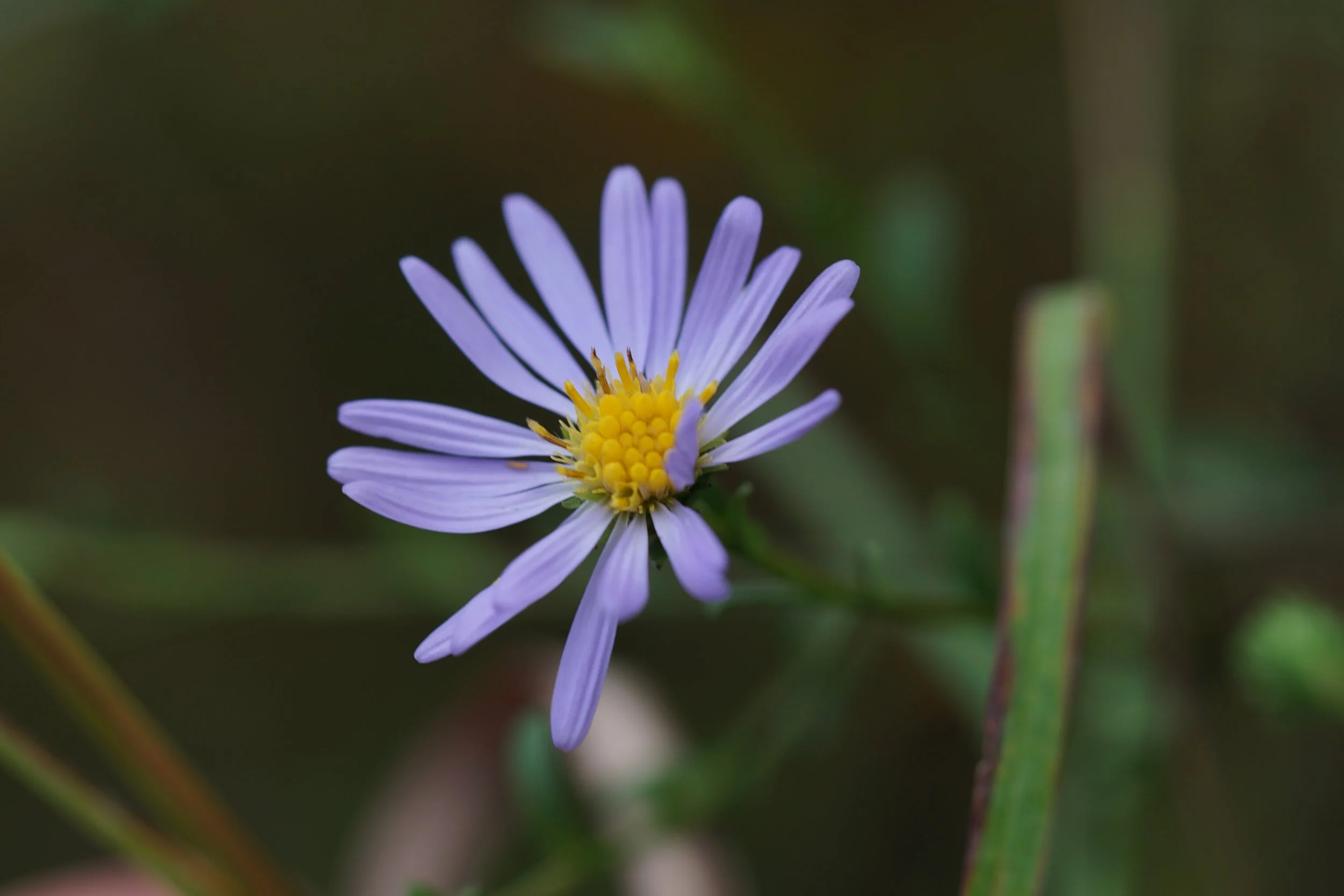
Inflorescence (capitulum) of S. rhiannon
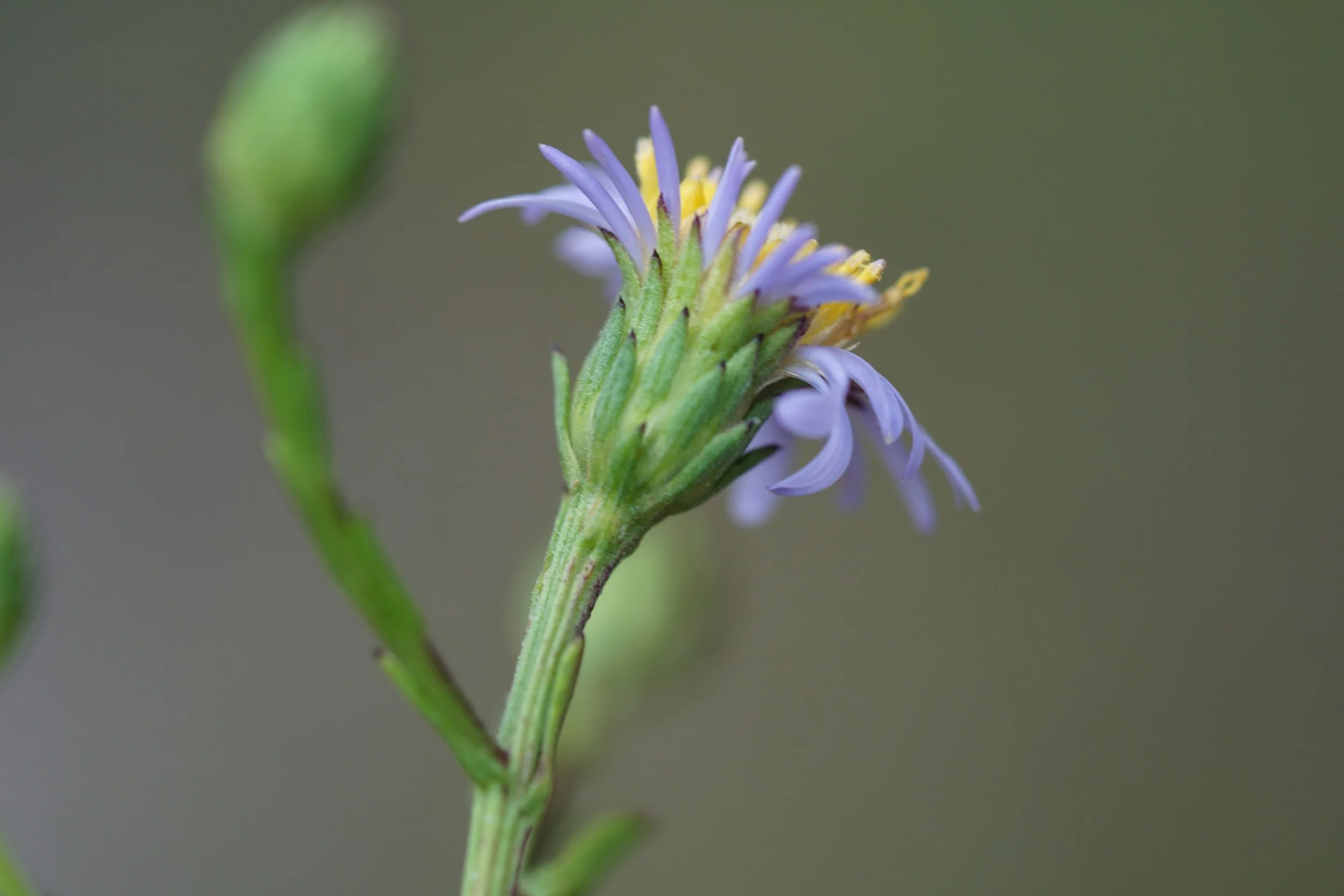
Phyllaries (bracts subtending the inflorescence) (capitulum) of S. rhiannon
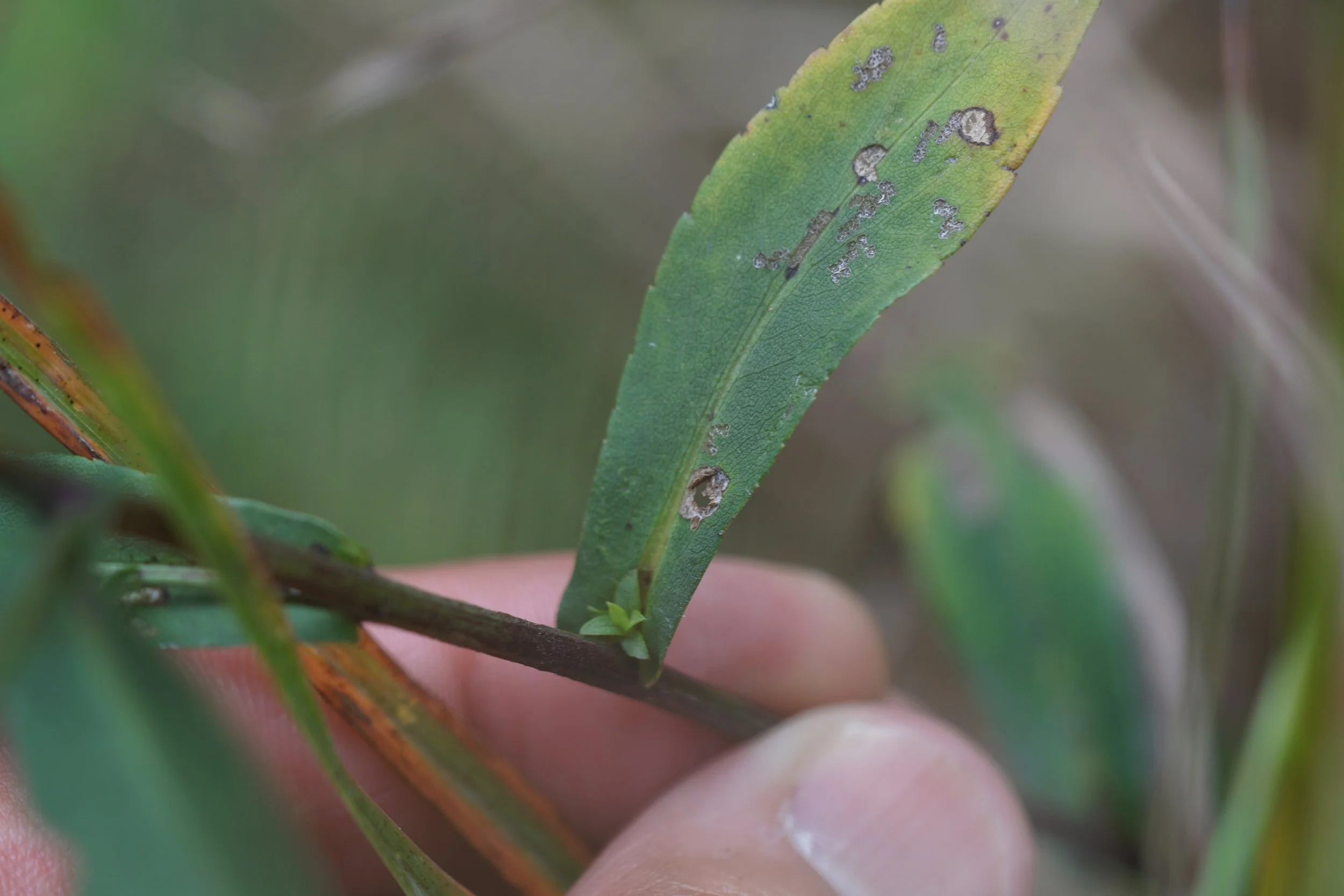
Leaves of S. rhiannon
Endemism is a really interesting phenomenon. The initial and obvious point to raise with an organism that is narrowly restricted is, of course, conservation. But there are also the evolutionary implications of endemicity, which allows us to explore how new species arise. Speciation, the process of an ancestral lineage becoming two distinct lineages, can occur in several primary ways that have to do with the location of a speciating population relative to its ancestral population. Conventionally speaking, speciation can either occur in sympatry or allopatry. Sympatric speciation happens when populations are not geographically separated from each other. This type of speciation is less likely to occur than allopatric speciation, because there is still the potential for individuals to interbreed, so they must evolve reproductive isolation while having ample opportunity to mix. In plants, such isolation could arise from a pollinator shift, changes in phenology, or some other incompatibility. Allopatric speciation is a much more common process, and occurs when a population becomes geographically separated from its former population. While certain events like a flood or seismic activity could split the entire population in half, allopatric speciation occurs most frequently at the edges of a species’ range in small peripheral populations (sometimes specified as peripatric speciation). Under this model, the formation of new species is most likely to occur at the edges of its range and in a marginally distinct environment. If so, when a speciation event occurs, that diverging lineage will initially have to have a narrow range.
It is important to note that speciation is not a distinct event. It is an ongoing process that often has a pretty gray beginning and end. For instance, at the beginning of a speciation process the two populations may interbreed. Over time, that mixing may become lower and lower, leading to less gene flow between the groups and greater and greater divergence. So, where do we draw the line? It is hard for us to grapple with this because we like to have strong delimitations around things. Marathons have a clear start and end point, so do lectures and seminars, movies, plays, and just about everything else in modern culture. Perhaps an analogy is political regimes. In retrospect, we can point to political regimes that have transitioned to fascism but it is quite hard to delimit the exact moment the regime shift occurred. In the same way, speciation is easiest to observe in hindsight. Sometimes we catch two groups of organisms that have speciated. For example, two taxa that are each other's closest relatives, but look different, flower at different times, and are pollinated by different animals. Other times we catch the process in the gray zone; when we do, we often have trouble classifying these organisms. We give these groups the demarcation of subspecies or variety, which to the taxonomist is a way to indicate the population's distinctness from other populations. To the evolutionary biologist, varieties and subspecies just denote that a lineage may be in the gray zone. This is perhaps the case for S. rhiannon. It looks similar to Symphyotrichum prenanthoides and Symphyotrichum puniceum. S. rhiannon seems to have recently diverged from its ancestral relatives. This raises another qualm that evolutionary biologists continuously bicker about which is, what is a species; a question that nearly every PhD student in biology gets during their qualifying exam, if nothing else but to haze. The reason this is a notoriously prickly question is because of the blurry lines between organisms and the ability of lineages to hybridize. Ernst Mayr, a leading authority on speciation in the 20th century argued for the biological species concept, which states that true species are interbreeding populations that can form fertile offspring but do not tend to form fertile offspring with other such populations. There are many exceptions to this description, but it works all right. I do not wish to go down this rabbit hole in this essay. So, let's stop there.
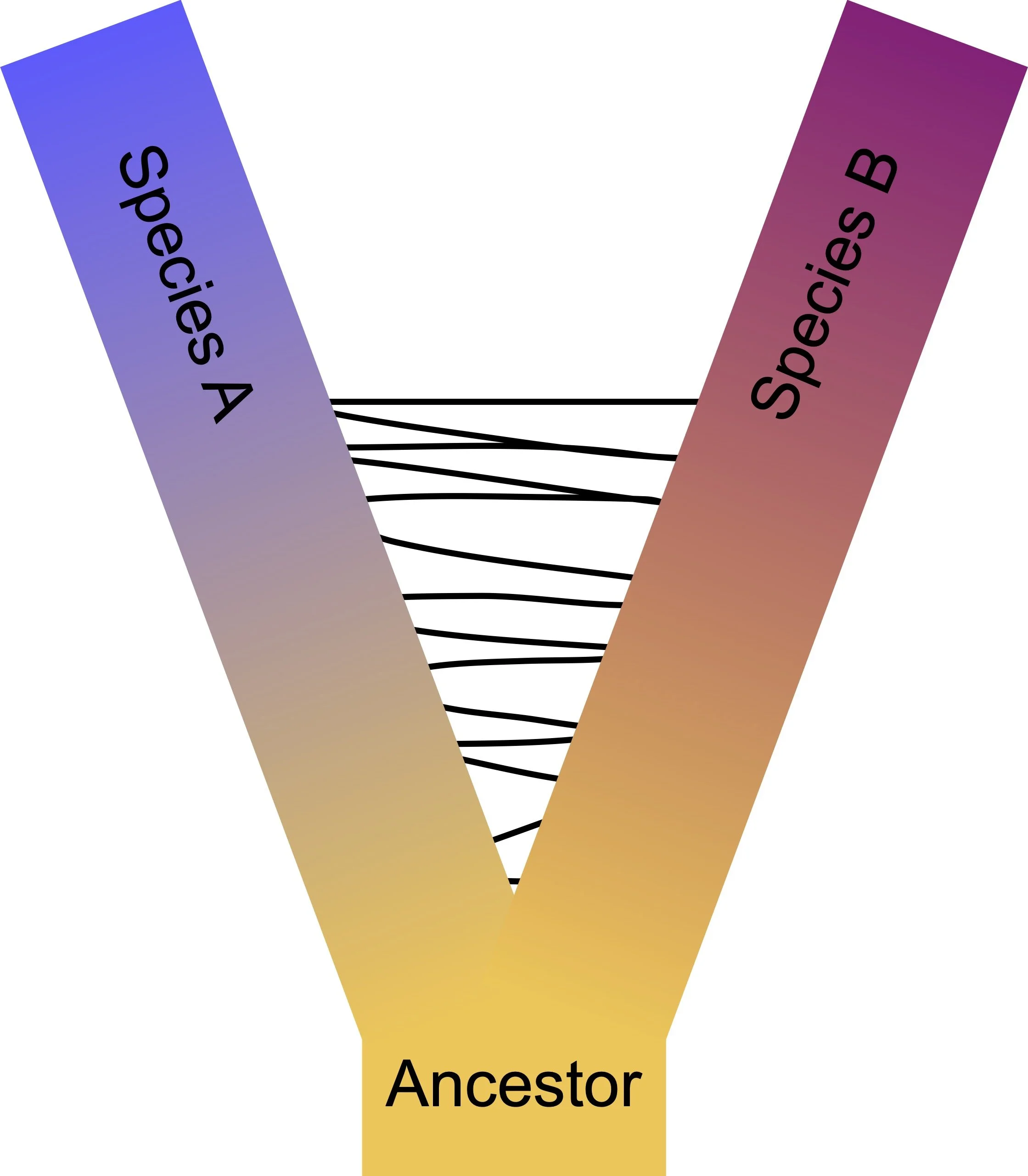
Diagram of the process of speciation. Lines between descending branches indicate a “gray zone” where the populations may interbreed.
In the case of S. rhiannon, the ancestors of this plant must have occupied a different ecosystem, given the relative rarity of serpentine soils and the uniqueness of specializing on them. At some given time a seed of the ancestral Symphyotrichum landed in the Buck Creek area; instead of dying, that seed persisted. But how?
In examining the serpentine Arabidopsis arenosa (a mustard relative), Arnold and colleagues - from the nice prose above - found that plants adapted to serpentine soils exhibit “dramatically altered elemental accumulation levels,” which is beneficial in harsh serpentine soils because it presumably allows them to modify how they accumulate or exclude nutrients and heavy metals. They went further and sequenced the genomes of these plants and found that selection acted very strongly on genes responsible for moderating element accumulation. When beneficial mutations rapidly spread through a population, this is called a selective sweep.
It occurs when a beneficial genetic region rises rapidly in frequency because it confers higher fitness in the individuals that possess it. Individuals lacking this genetic region may either die or simply leave fewer surviving offspring. It is perhaps unsurprising that serpentine soils confer such a strong selection pressure, because these ecosystems are quite harsh. Other ecosystems like the desert or icy tundra also impart strong and directional selection pressures, which may often lead to selective sweeps. Arnold and colleagues further determined that the genes swept up by selection were not clustered together or part of a single genomic region, but came from many individual parts of the genome. This is a fascinating finding because it suggests that the ability of plants to grow in serpentine soils is polygenic (characterized by many genes acting together within the context of the entire plant). So, there is no “gene” for the serpentine lifestyle, but rather many genes acting in concert.
There is one more point about Arnold’s work that allows us to speculate on how S. rhiannon may have arisen. When Arnold and colleagues analyzed the genome of a related plant growing on serpentine soils, they found strong selective signals for 11 of the same genes that were important in A. arenosa. This suggests that - at least within the mustard family - there is a repeatedly evolved genomic pattern in serpentine adaptation. In ending their work with familiarly nice prose, Arnold and colleagues write, “Evolution has nevertheless repeatedly forged plant populations that overcome these hazards, making serpentine sites an important natural model for ecology, evolution, and physiology.”
The individuals of the ancestral Symphyotrichum that landed in the Buck Creek serpentine barren may have harbored similar mutations that modified element accumulation - allowing them to eke out a living. These plants survived, matured, flowered, and reproduced. Over time, selection may have acted strongly on those genes that moderated element accumulation, leading to a new physiology. This new patch of plants was thus isolated from its ancestral population - pollen and seeds did not mix between the new serpentine group and the ancestral non-serpentine group, and if they ever did, the hybrid individuals may not have been well-adapted to either the serpentine or ancestral habitats.
To someone who has seen many asters, Symphyotrichum rhiannon was perhaps ordinary upon first impression. This plant looks nearly identical to most other species of Symphyotrichum. Ben Goulet-Scott and I have developed what we call the morphospace of first impressions. There are two axes on this plot. The horizontal axis goes from common to rare, and the vertical axis from dull to shiny. Any organism can fall somewhere on this plot upon first impression. We refer to the pursuit of species in the shiny and rare quadrant as “treasure hunting”. A plant like Rafflesia arnoldii or the ghost plant (Monotropa uniflora) falls out in this region for most people. No matter what you know about it, the plant just looks fascinating upon first impression. The opposite is a species that is common and dull, a dandelion perhaps. We call seeking out organisms in this part of the morphospace “window cleaning”, because even something that you see every day can be fascinating if you dig a bit deeper and learn something about it. For instance, dandelions have a propensity to clone themselves, and their calyx (outer whorl of the flower) turns into a parachute as their fruits mature - all of us in the temperate region have experienced that one. There is another part of the morphospace that we don’t often hang out in, this is the lower right quadrant, rare and dull. I would perhaps put Symphyotrichum rhiannon in this category. Now don’t get upset with me, remember, this is just upon first impression. If you saw this plant and didn’t know what it was, you may think it's just another aster. However, once you learn of its unique preference for serpentine soils and its tiny endemic range, and start to speculate on its origin, you can find great fascination in it.
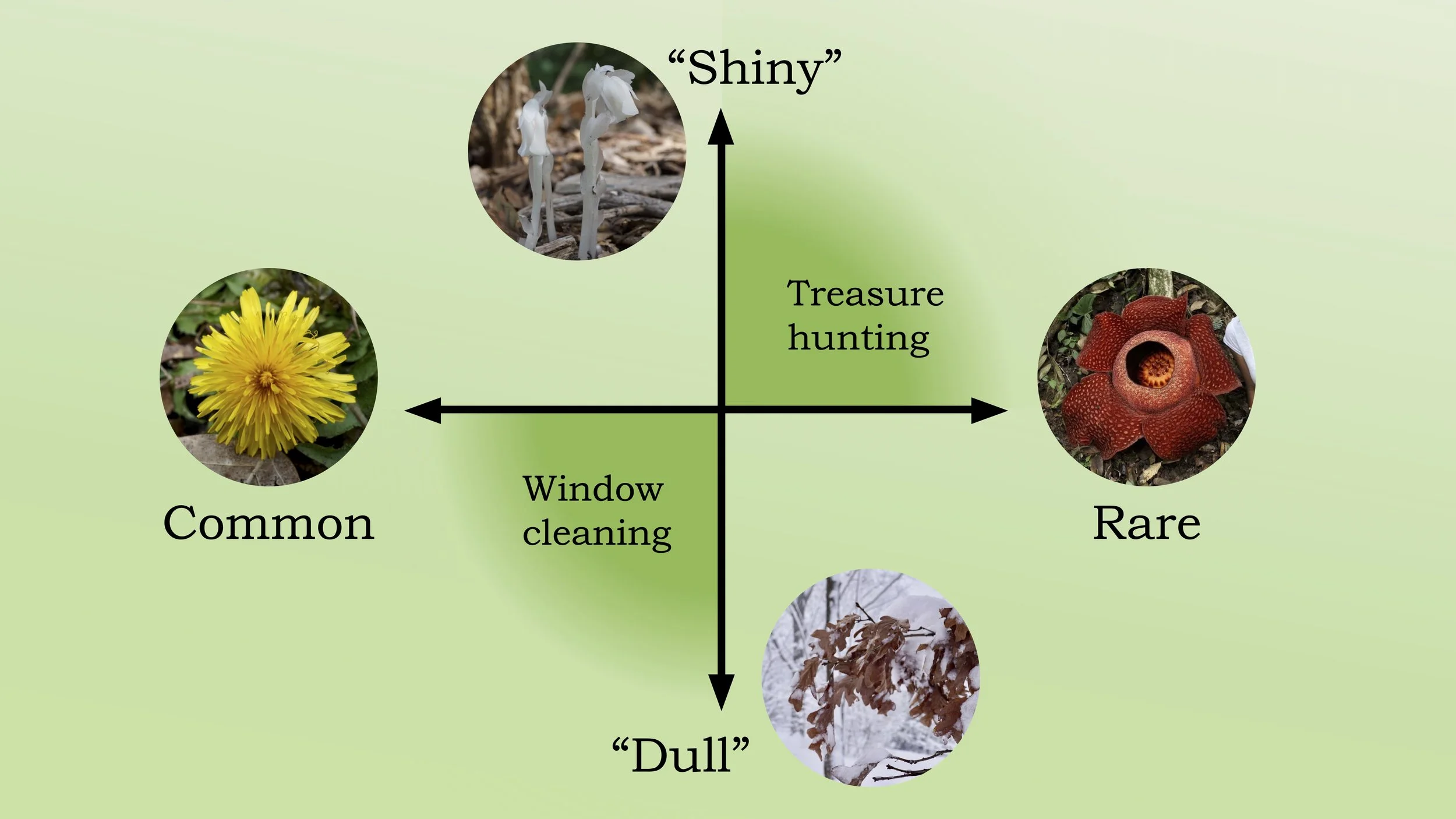
Morphospace of first impressions. The lower right quadrant (“dull” and rare) is where S. rhiannon may fall out - but that does not mean it isn’t fascinating!
Further readings and references:
Arnold, Brian J., et al. "Borrowed alleles and convergence in serpentine adaptation." Proceedings of the National Academy of Sciences 113.29 (2016): 8320-8325.
Dean, Caroline, and Rachel M. Leech. "Genome expression during normal leaf development: I. Cellular and chloroplast numbers and DNA, RNA, and protein levels in tissues of different ages within a seven-day-old wheat leaf." Plant Physiology 69.4 (1982): 904-910.
Ehrlich PR , Raven PH. Science 1969; 165: 1228–32
Kauffman, et al. "A new species of Symphyotrichum (Asteraceae: Astereae) from a serpentine barren in western North Carolina." SIDA, Contributions to Botany (2004).
Lescak, Emily A., et al. "Evolution of stickleback in 50 years on earthquake-uplifted islands." Proceedings of the National Academy of Sciences 112.52 (2015): E7204-E7212.
Rajakaruna, Nishanta, Tanner B. Harris, and Earl B. Alexander. "Serpentine geoecology of eastern North America: a review." Rhodora 111.945 (2009): 21-108.
Edited by Ben Goulet-Scott