

Scotland, Extinction, and the Other Charles Darwin
Late 18th century Scotland saw one of the most transformative events in the history of Western thought. The Scottish Enlightenment was the birthplace of modern thinking across disparate fields, from philosophy to engineering. The philosopher David Hume ushered in a wave of inductive reasoning and empiricism. Engineers like James Watt improved on Newcomen's steam engine. And economists like Adam Smith essentially created the field of modern economics, laissez-faire free market ideals, and the importance of the individual within an economic engine. The events and ideas of the Scottish Enlightenment expanded well beyond their intended fields, and even have links to natural history.
For instance, in The Wealth of Nations, Adam Smith argued that when individuals pursue self-interest (e.g., work hard, compete for jobs, etc.) they unintentionally promote broader economic growth. In this way, specific and local processes at the individual level can be guided by an “invisible hand” leading to larger, unintended outcomes. In many ways this idea bears resemblance to Darwin’s natural selection, whereby the struggle of the individual to survive and reproduce can, through natural selection (an “invisible hand” of sorts), lead to the evolution of complex traits. Although these ideas arise from different domains, both Smith’s and Darwin’s contributions can be conceptually linked to Enlightenment thinking.
Scotland is at the forefront of my mind because this past month I was invited to the country by my colleague, Dr. Sandy Hetherington, research fellow at the University of Edinburgh. The visit centered on my role as the external examiner for the doctoral thesis of his student, Sannie Fu. Her thesis was brilliant, focused on a topic that is my trade specialty: the fern vascular system. In particular, Sannie examined the evolution of phloem, or the sugar-conducting tissues in plants. I will spare the details since the work is not published yet, but her research beautifully wove anatomy from both living ferns and fossils of species that have been extinct for nearly 400 million years. This integration of the living and the dead is a broader theme of my trip to Scotland. In this essay, I reflect not on observations from pristine forests in tropical lands, but on plants cultivated in the city, those growing on rocks in graveyards, and those that have been dead for millennia.
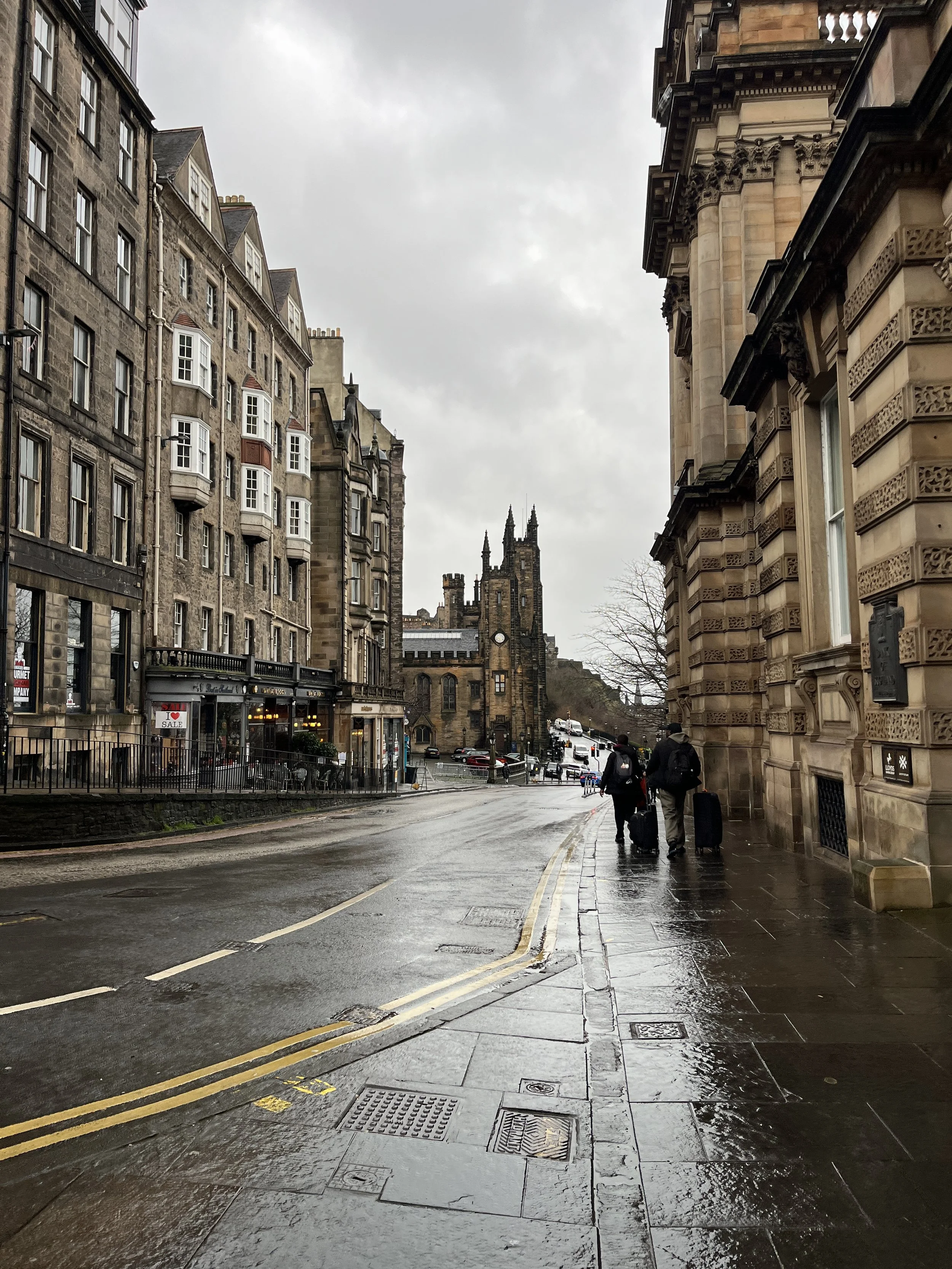
Edinburgh’s Royal Mile!
My first stop when I landed in Edinburgh was one of the most impressive geological monuments the city has to offer: the Edinburgh Castle. Culturally, the castle is like many others. It was the site of kings, kingdoms, military operations, and the like. It has been crowned the most attacked castle in all of Britain, and potentially the world. While the culture is interesting, it was the geology that really wowed me. The castle couldn't be placed in a better strategic location. It crowns a peak in the city, with a near vertical precipice on three sides. This spot was not created by ancient Scots but was a naturally occurring geological structure. It is an ancient and now inactive volcano that arose 350 million years ago in the Carboniferous period. During this time the tectonic plates were shifted and Scotland was tropical, bordering central Africa near the equator. At this geologic moment, the Earth’s flora was distinct from today’s; flowering plants had not evolved yet and the ferns and their relatives were the most abundant vascular plants on land.

Edinburgh Castle, showing the eastern precipice.
Of course, the ferns are not restricted to fossil deposits of the Carboniferous. While I didn't have time to botanize the Scottish countryside, I was able to spend a full day at the Royal Botanic Garden Edinburgh with my colleagues Michael Sundue, Magsy Lombard, Alex Quinlan, and Sannie Fu. Our day was spent gawking at ferns. What a collection they have! Never have I seen such a fascinating array of cultivated species. They grew plants from nearly every tip on the fern tree of life and every corner of the world. Some highlights include Hymenophyllum reniforme, which was a showstopper; the heart-shaped leaves and bifurcating veins made the plant look more like Ginkgo leaves than any fern fronds.
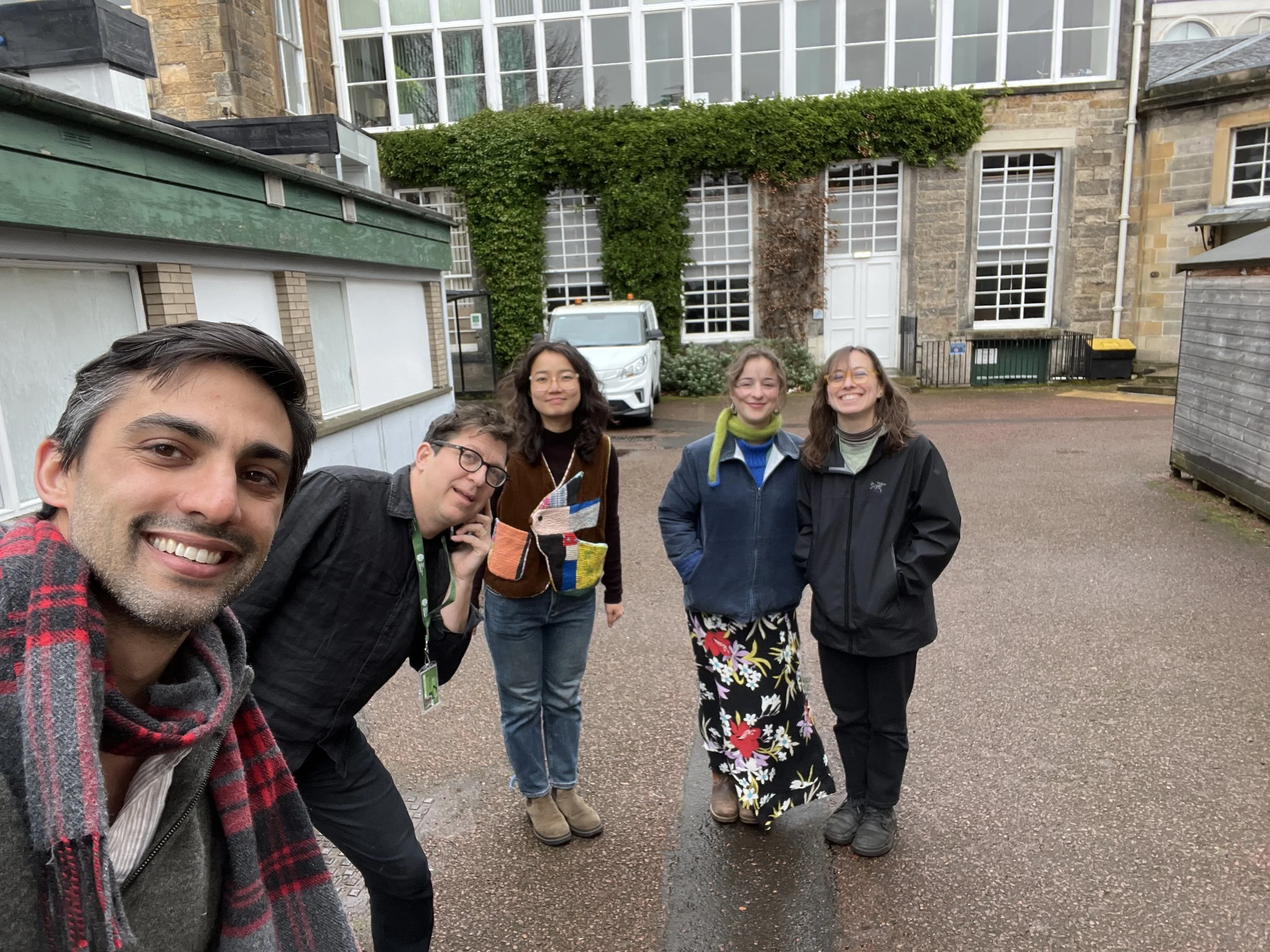
Selfie of (left to right) me, Michael, Sannie, Magsy, and Alex
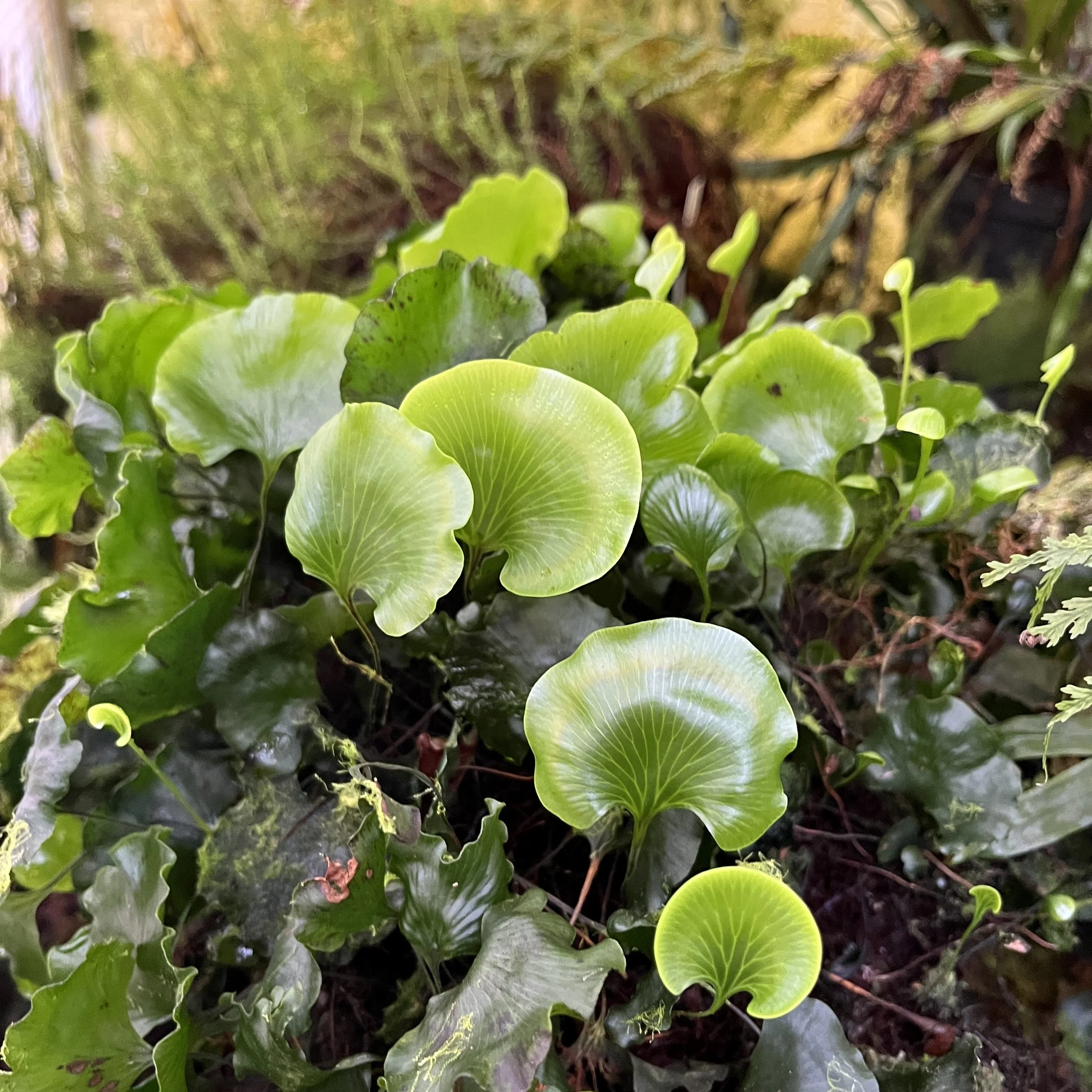
The handsome fronds of Hymenophyllum reniforme.
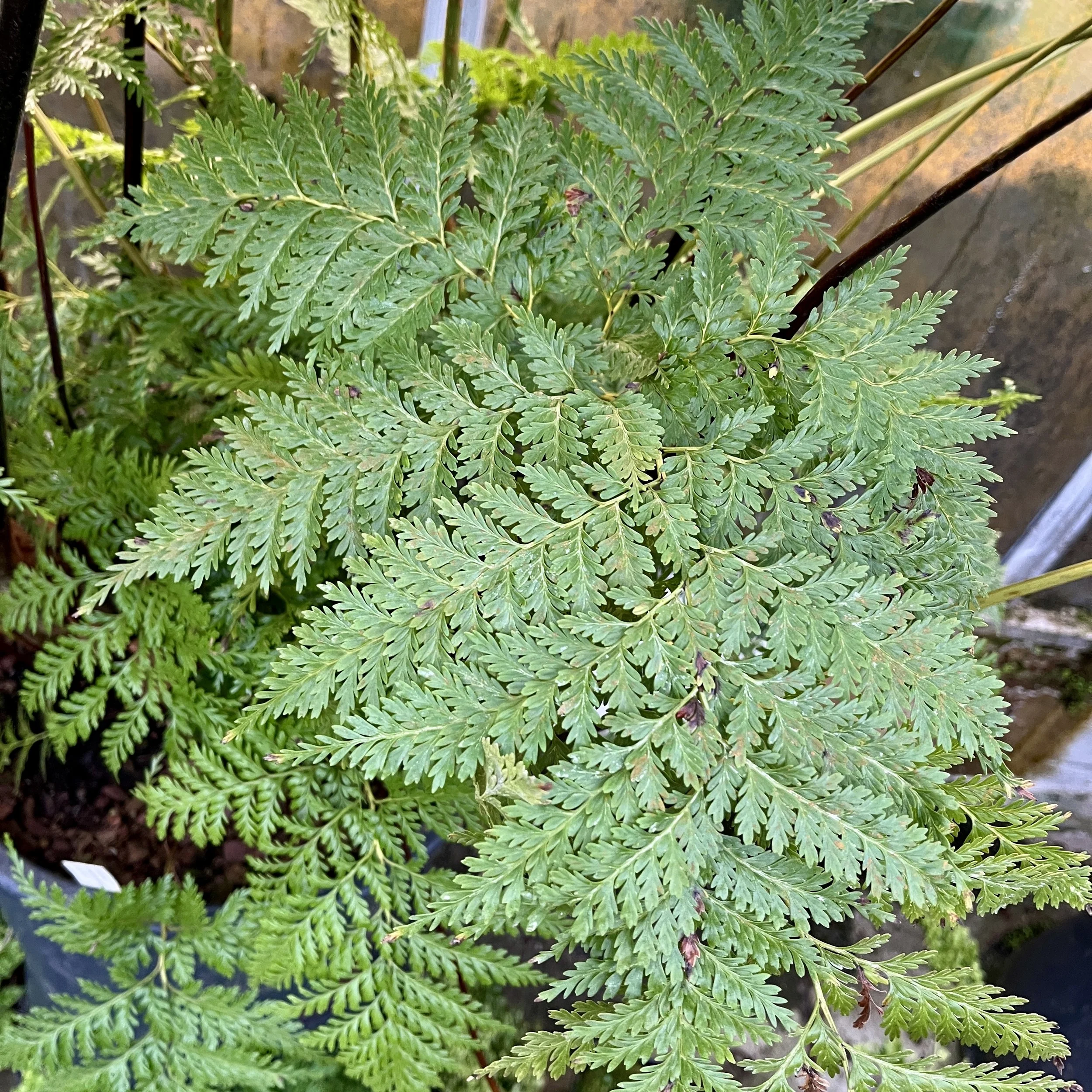
Thyrsopteris elegans was another. This species is a tree fern that actually doesn't produce a trunk. It is monotypic, the only living member of its family (Thyrsopteridaceae). It is the sole survivor, its relatives pruned by extinction. The lonely evolutionary state of this plant is reflected in its biogeographic distribution. T. elegans is restricted in distribution to the Juan Fernandez Archipelago off the coast of Chile. The fronds are also spectacular and reminiscent of some extinct ferns from the Carboniferous period. The leaves are hemidimorphic, meaning one part of the leaf produces laminar tissue used to capture light for photosynthesis, and the other produces spheres of reproductive structures that house individual spores. Observing this elegant species felt like a glimpse into the past.
One more species, Dipteris conjugata, a member of the fork ferns (Gleicheniales) also caught my attention. We were looking closely at the leaf, which looks nothing like the traditional fern frond, and Michael pointed out something quite interesting about it—they are flipped. The fiddlehead unfurls normally, but the lamina of the leaf rolls in on itself so that it rotates 180˚. You can catch this if you observe the frond carefully, the petiole is oriented one direction, but the upper portion of the leaf is flipped and oriented opposite. A fascinating developmental process called resupination, reminiscent of Bomarea, but with virtually nothing known about the process in Dipteris.
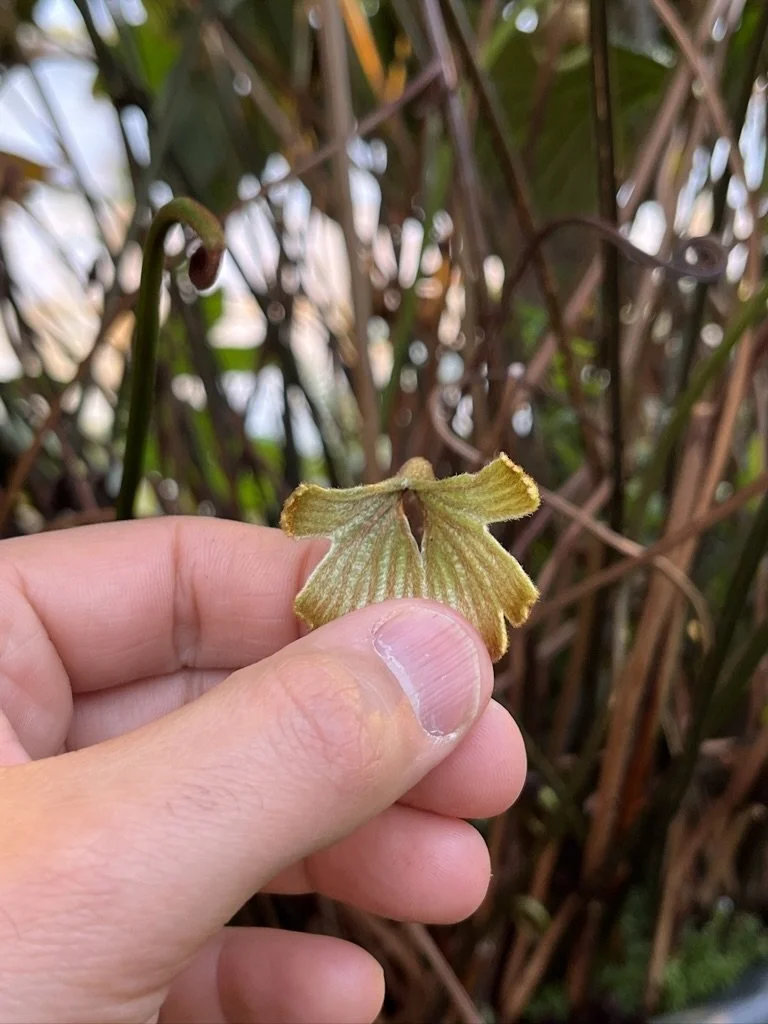
Young leaf of Dipteris conjugata, showing lamina rotating 180˚.
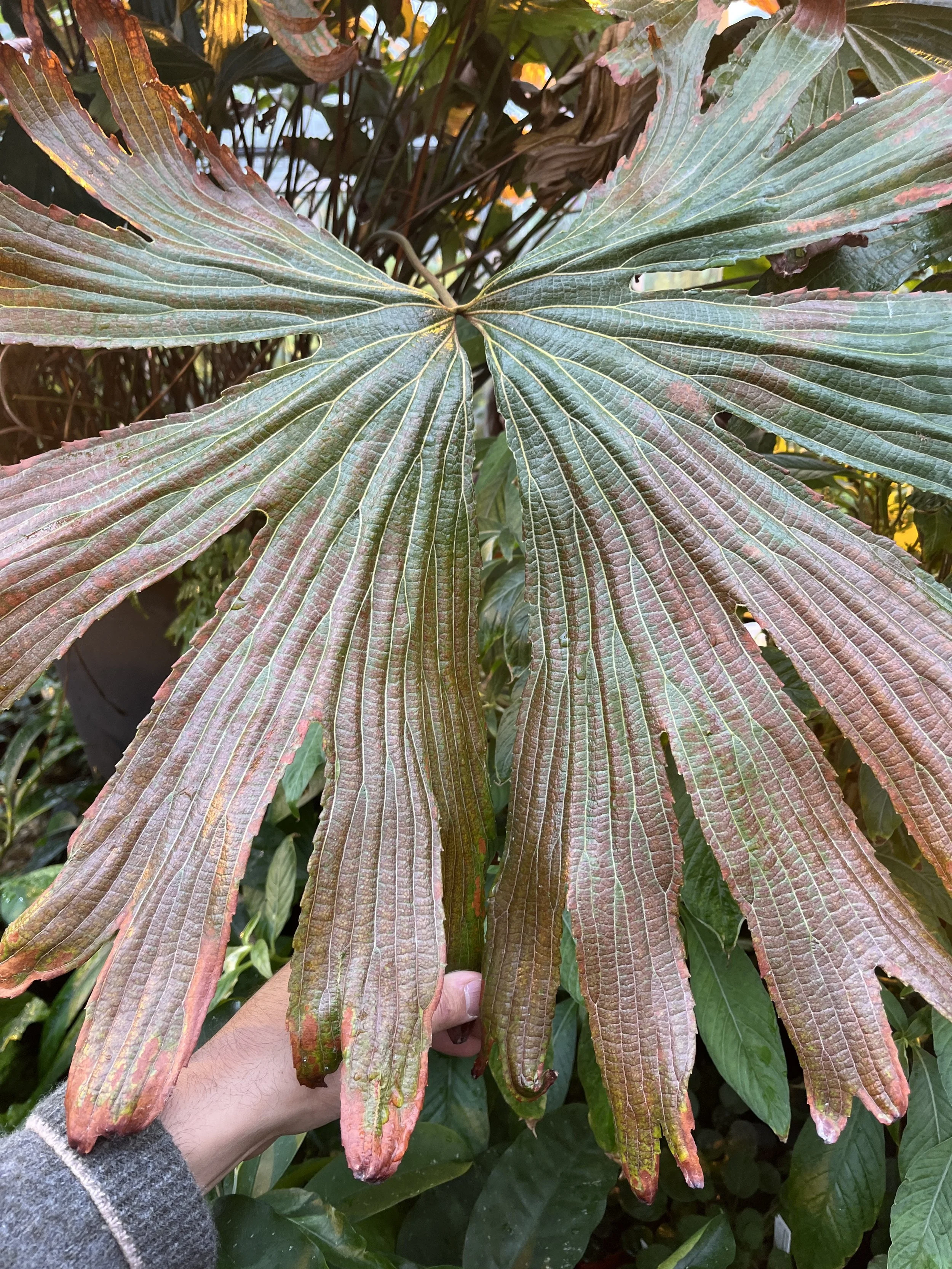
Fully rotated frond of Dipteris conjugata.
It is fitting that I spent most of the time thinking about ferns and spending time in castles built on Carboniferous volcanoes. Scotland is also home to one of the most impressive fossil sites in the world: the Rhynie Chert. The Rhynie fossils include plants that lived roughly 400 million years ago. They are not ferns, but some of the earliest vascular plants on Earth. These plants are also some of the most well preserved plant fossils the botanical community has ever found. It all has to do with where they lived and how they died.
Plants of the Rhynie Chert eked out a living near the bubbling edges of hot springs, similar to those in modern day Yellowstone. The water of these Devonian pools was rich in silica and other minerals. When these plants died they did not simply decompose, but were mummified. When this mineral water impregnates individual cells, it acts like a fixing agent that preserves the internal anatomy in perfect form. This process of permineralization is exactly what makes petrified wood. The fossils in Rhynie provide the best anatomical information on what the first vascular plants looked like. One of the most iconic examples of Rhynie plants is Cooksonia, one of the ancestors to all vascular plants. Depending on the species, this plant could be as small as a sewing pin. Cooksonia and many other Rhynie plants lacked true roots or leaves. They were composed of a set of branching axes called telomes and bore their spores in a halo atop their vertical axes. The Rhynie Chert provides a brief and narrow glimpse into a time period that we can hardly imagine. The Earth was relatively barren, plants had just evolved vascular tissues, and they were beginning to diversify onto land in new ways that paved the way for our modern terrestrial world.
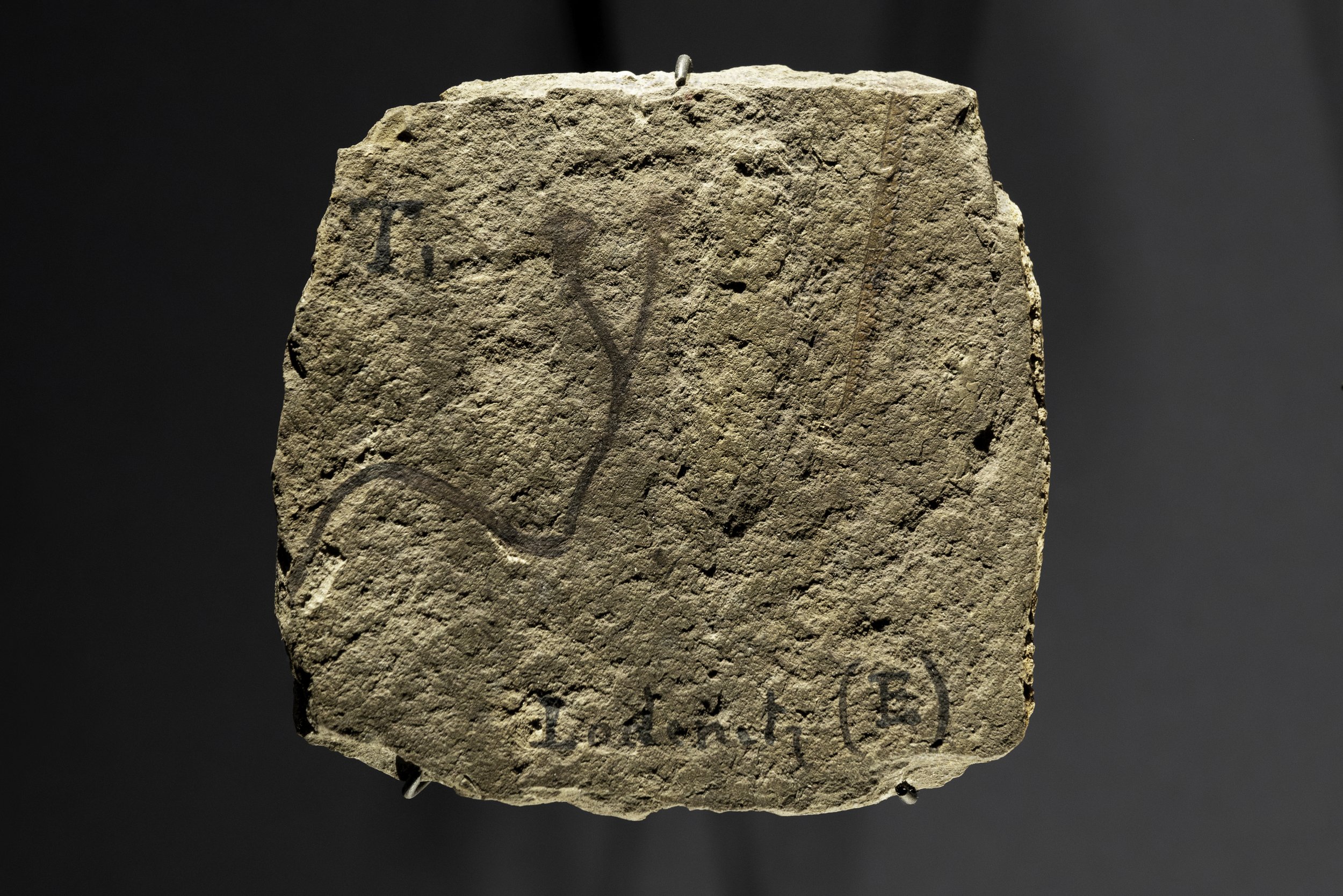
Fossil of Cooksonia barrandei from the National Museum in Prague.Image used under Creative Commons CC0 1.0 Universal Public Domain Dedication.
It is a treasure trove to find fossils like the Rhynie Chert; they are few and far between. The animal paleontologists have a similar fossil bed in the Canadian Rocky Mountains, called the Burgess Shale. The Shale is probably the most famous paleontological site. Like the Chert with plants, the Burgess Shale has provided paleontologists with unimaginable anatomical detail of soft body parts of Cambrian animals (500 million years ago). Indeed, the Rhynie Chert is to the botanists as the Burgess Shale is to the zoologists. The field of paleontology is a difficult one, nearly every organism that has ever lived has died, but very few have fossilized. Not to mention trying to find and excavate the ones that have fossilized. Fossils are integral in understanding evolution. While imperfect, they provide an idea of what was actually here on Earth, how they looked, and how they may have eked out a living.
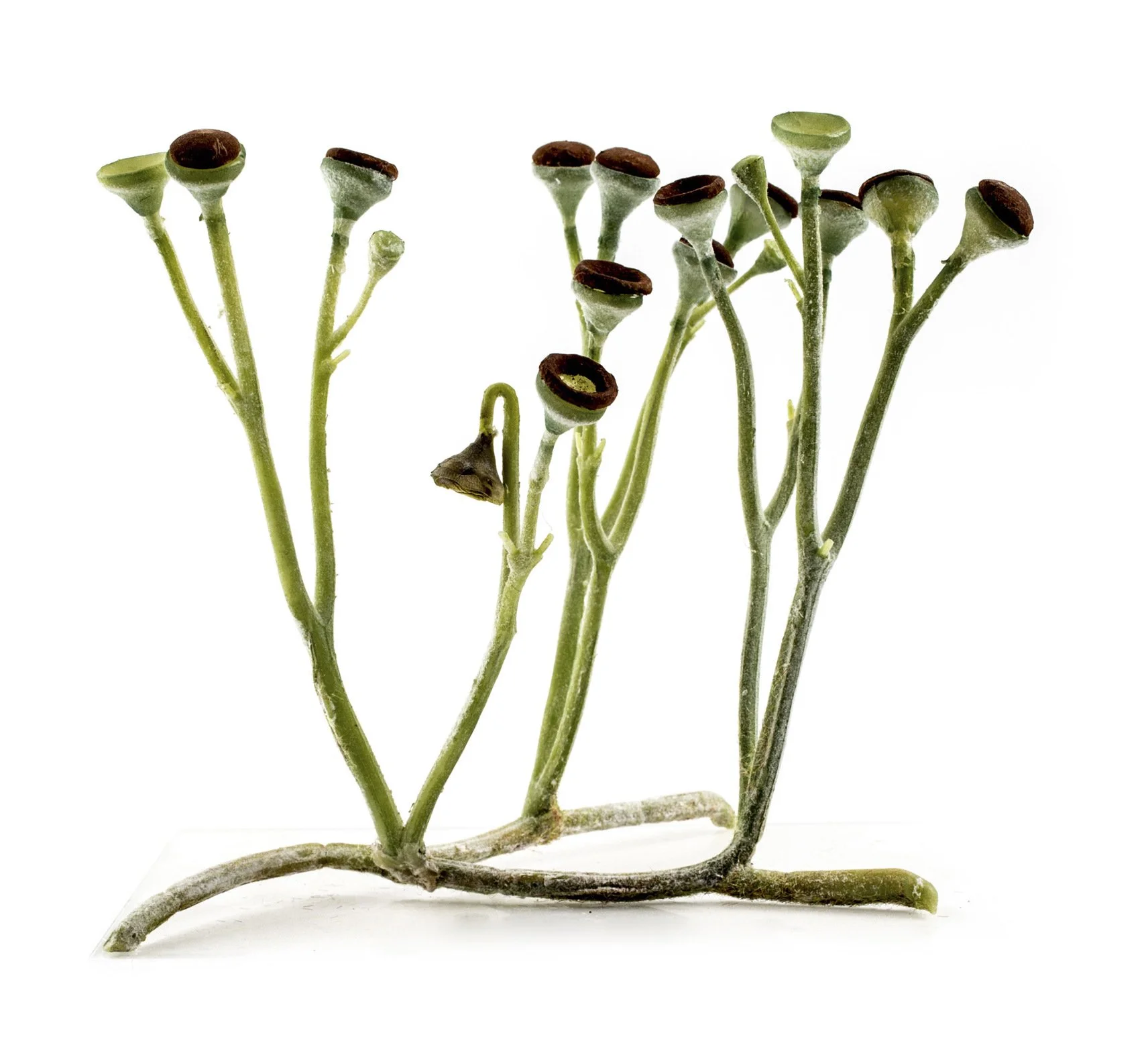
Reconstruction of Cooksonia from Matteo De Stefano/MUSE. Image used under Creative Commons Attribution-Share Alike 3.0 Unported license.
Death is inevitable, and extinction pervasive. Based on rough estimates and gross generalizations from the fossil record, the average life span of a species is several million years. But some lineages persist longer than others. Perhaps it is the human existential dread of death or our attempt to live longer as individuals that leads to our curiosity for any lineage that seems to defy the general rule of extinction. Living fossils, as they are known, are lineages that have been relatively unchanged for long stretches of time. We have many examples in the animal world, the crocodilians, sharks, and gars are ingrained in the zeitgeist. There are several impressive examples of living fossils from the botanical world, too. While at the Royal Botanic Garden Edinburgh, I was able to catch a glimpse of one of my favorites: the coniferous tree called the dawn redwood, "Shui-sha," or water-fir (Metasequoia glyptostroboides).
For much of the early 20th century this plant was known only from the fossil record. Relatives of the dawn redwood are prominent in rocks that date back roughly 100 million years to the Mesozoic Era (around the time of the dinosaurs). In a fascinating turn of natural history, the dawn redwood was identified in a small population in Mou-tao-chi (Hubei, China) in the 1940s. The history of its discovery is nicely documented in a 1989 Arnoldia article by Hu (and many others since then). The living plant is largely indistinguishable from some of its fossil relatives.
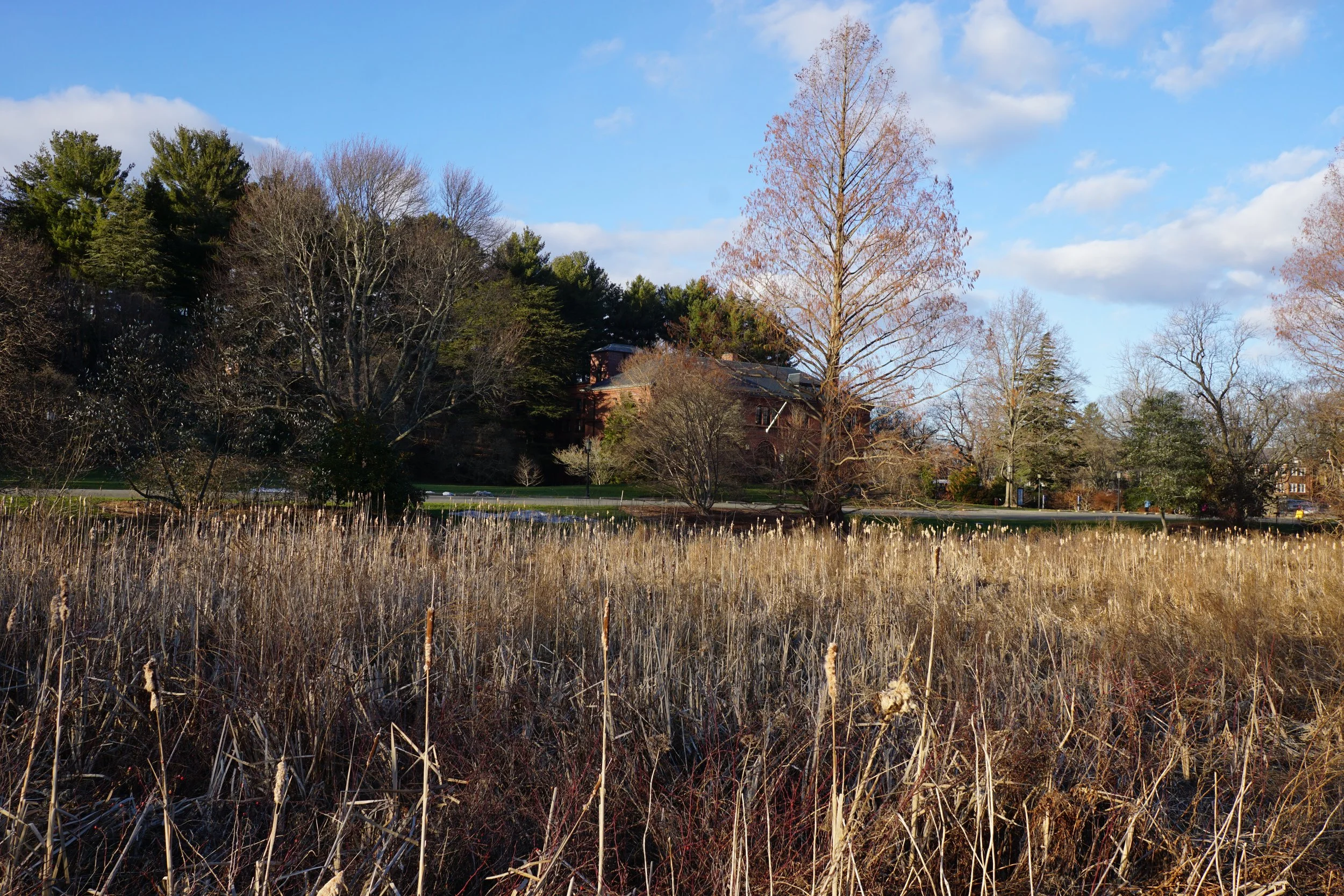
Dawn redwood in winter in the distance. Planted in front of the Hunnewell Building at the Arnold Arboretum of Harvard University.
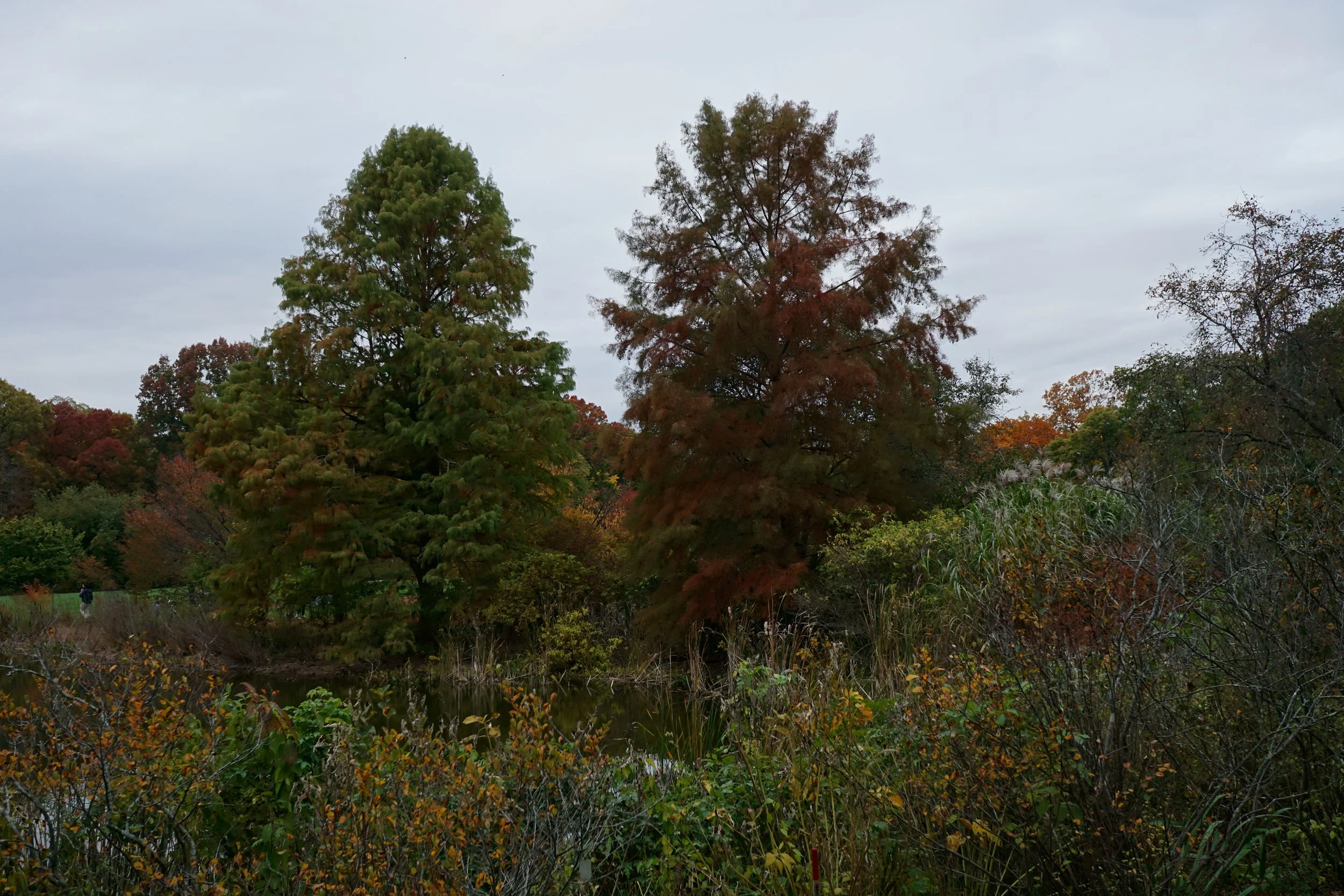
Dawn redwood in fall. Planted at the Arnold Arboretum of Harvard University.
This is one of my favorite trees, primarily because of its beautiful architecture. It has a strong central leading stem, with geometrically scaling branches, and a beautiful sprawling base. The burnt orange bark adds a stunning backdrop to the dark green foliage. It is a deciduous conifer, meaning it drops its leaves in the fall. Oddly, it doesn't just drop its leaves, but entire branches—a unique pattern of deciduousness. While I have a personal love for this plant, in researching for this article, I realized I have another connection to it. We both have ties to the Arnold Arboretum of Harvard University. I was a graduate student there between 2017–2022. The dawn redwood was distributed to botanic gardens around the world as a product of a grant awarded to several Chinese botanists from the arboretum. The 1947 grant from Arnold Arboretum funded a $250 research expedition (~$4,000 in today's currency) to collect seeds. It was apparently quite successful as several kilos of seed were obtained. In addition to sending seeds to the Arnold Arboretum, seeds were also sent to many botanical institutions, including, serendipitously, the Royal Botanic Gardens Edinburgh. The plant I saw during my trip was from those exact seeds collected in 1947–1948.
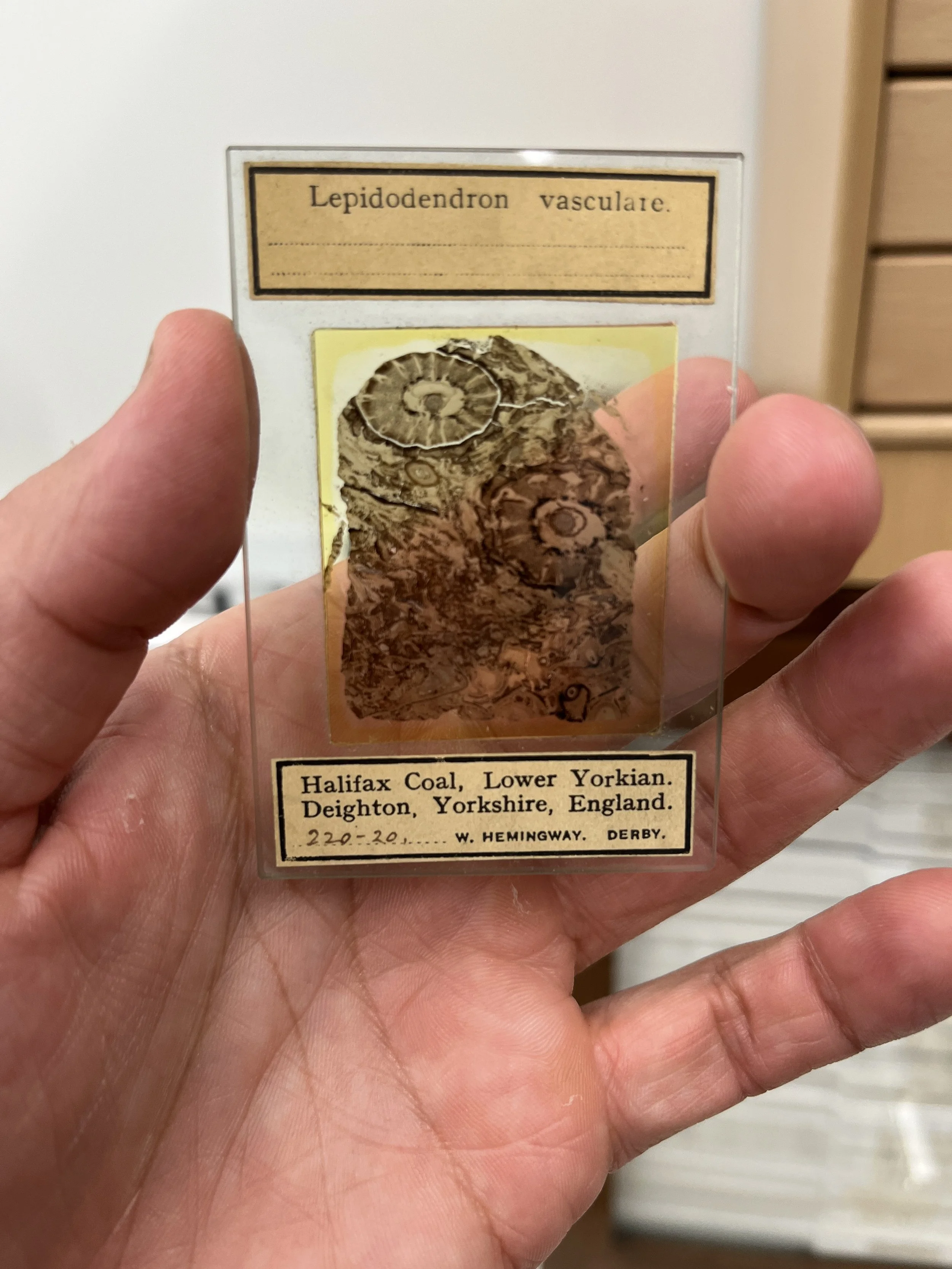
Fossils can be prepared to observe the anatomical detail of plants preserved within them. Here is one of them! This plant is the Carboniferous tree-sized lycophytes of Lepidodendron.
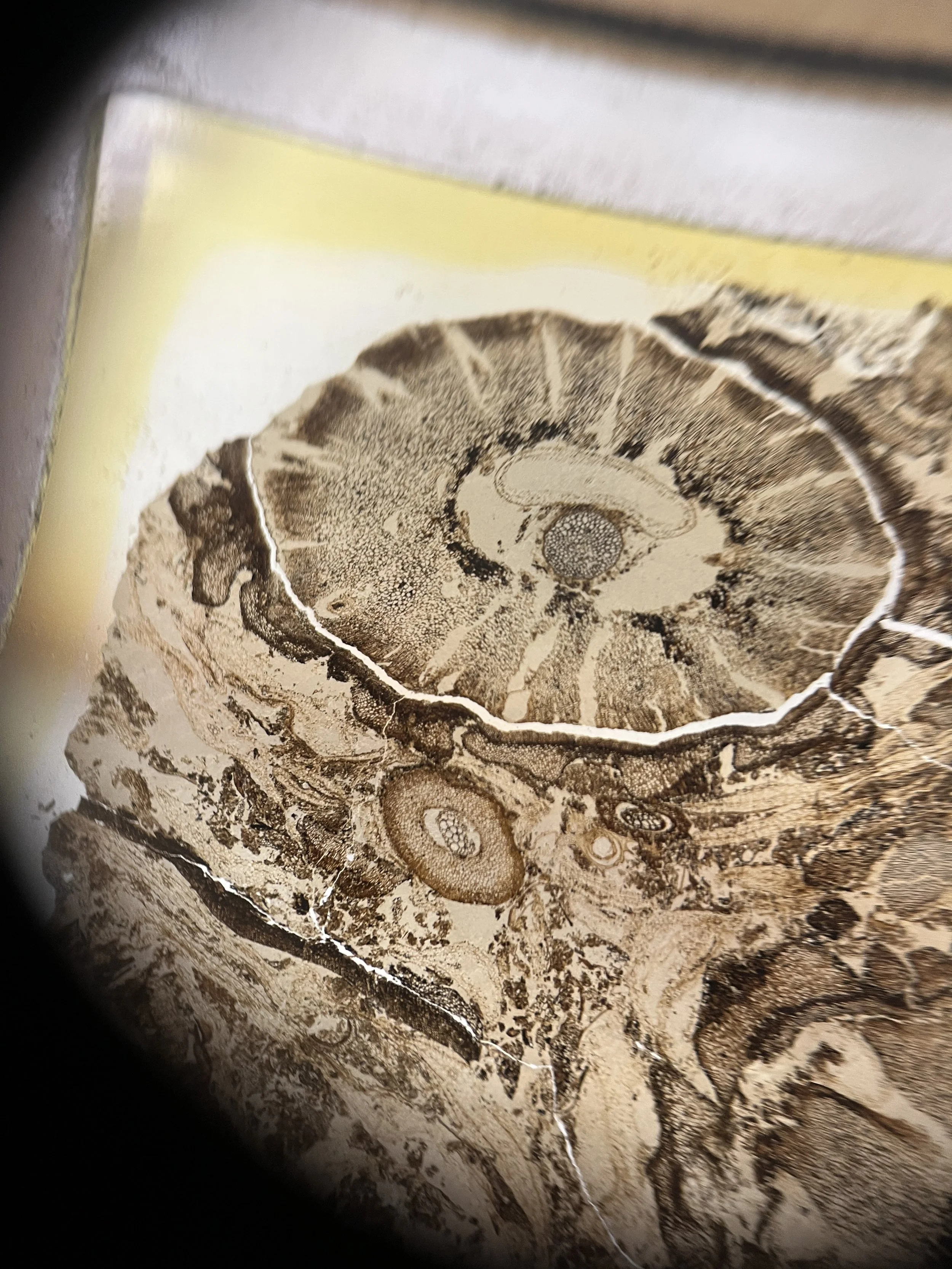
Microscope slide prepared from fossils showing the vasculature of Lepidodendron. The anatomical detail can be observed in these perfectly preserved rocks.
There are many factors that contribute to extinction including habitat destruction, competition, climatic change, disease, and cataclysmic events like volcanic eruptions or asteroids. Most often, smaller populations are at higher risk of extinction relative to larger populations. So, it is interesting that the dawn redwood is known from only a few wild populations with less than 1,000 individual trees (many of which were small). The species survived perhaps in a refugial zone in Central China, narrowly restricted, but hanging on. While the species is listed as endangered by the IUCN redlist, it is now one of the most widely cultivated conifers in the temperate world. Any botanic garden or arboretum will surely have it cultivated on their grounds.
What does it mean to be a living fossil? The general view is that since these organisms have not changed in millions of years, they have reached a sort of adaptive peak, where their ancestral form and hypothesized functions are well suited to their environment. In this capacity, natural selection could not act to nudge them off this peak because any shift away from their current form would be less fit. But the term living fossils is somewhat confusing. It was originally popularized by none other than Charles Darwin (1859, p. 107), but the term itself is a bit tautological. The living plant looks like a plant that existed in the fossil record. And so we assume that the living species is a relative of the extinct one and that it has not changed. The thing about living fossils is that, contrary to their common name, they have not ceased to evolve. The technical definition of evolution is changes in the frequency of genes in a population over time. This does not imply that they must change anything about their morphology or physiology. Over time, these lineages, which look nearly identical to their several million year old counterparts, have surely changed their genomes quite a bit—just not in their morphology. Nonetheless, we can still marvel at their impressive morphological stability. Stability, not because they can’t evolve, but because they may have converged on a form so perfectly crafted to their local environment that it needs no major changes.
Just like extinction is an inevitable process in the life of a lineage, death is inevitable in the life of an individual. One of my last stops in Edinburgh was a visit to Buccleuch Kirkyard to visit the grave of Charles Darwin. It is a modest plot with perhaps 40 graves, many of which are not well taken care of.
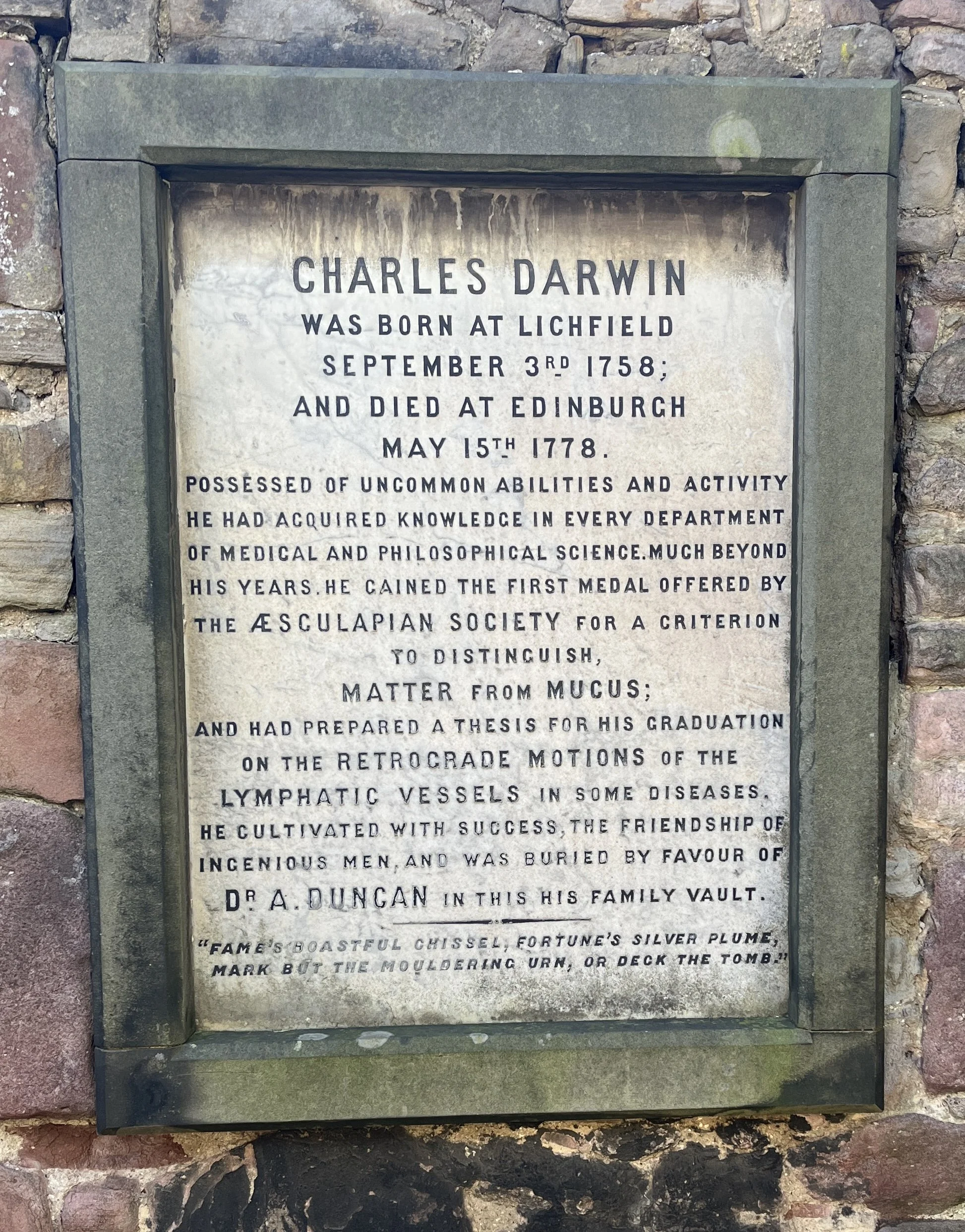
The grave stone of Charles Darwin, the uncle of our famous Charles Darwin.
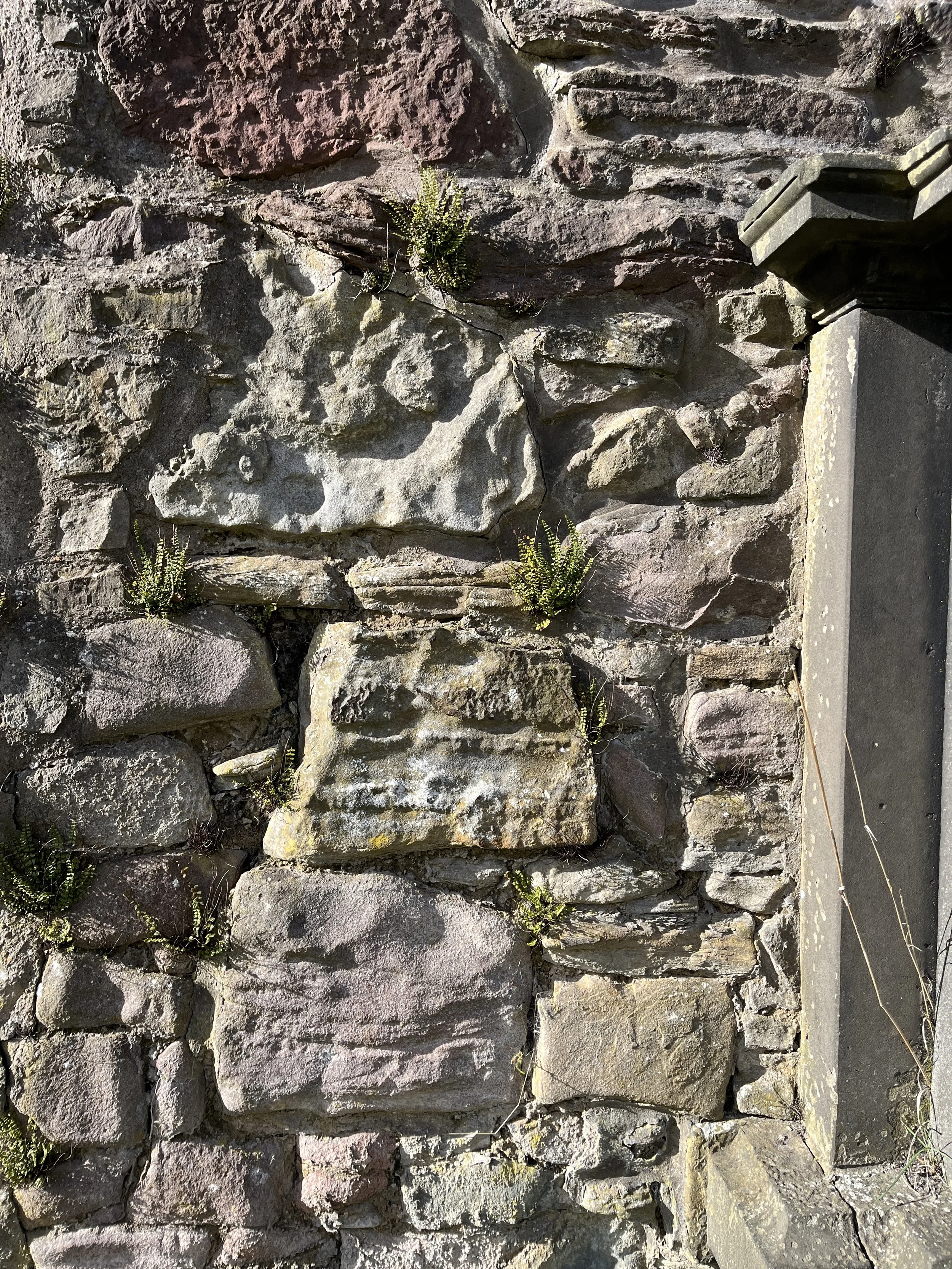
Asplenium trichomanes growing near Darwin’s grave.
If you know something about Darwin, you’ll notice the engraving on his tombstone is a bit odd. First, he was not a practicing physician, and second he did not die at 19 years of age. This second Charles Darwin was actually the uncle of our well known Charles. Presumably, young Charles Darwin was named after his uncle. Uncle Darwin was a physician in the late 18th century and died from contracting what was most likely meningitis, during an autopsy. Based on his tombstone he was an impressive person who accomplished quite a lot by 19. As I read the tombstone, I noticed a small plant sticking out of the rock crevices above the grave. Asplenium trichomanes, a friend from home, with nothing but dry stone to support its growth. Like the plants of Rhynie and the ferns of the Carboniferous that share the same rock as Edinburgh Castle, uncle Darwin’s line went extinct. But, like the living fossils he is commemorated in the legacy of his kin.
Further readings and references
Hu, H. H. 1998. How Metasequoia, the “living fossil”, was discovered in China. Arnoldia, 58(4): 4–7.
Li, Hui-Lin. "Metasequoia, a living fossil." American Scientist 52.1 (1964): 93-109
Edited by Ben Goulet-Scott.